

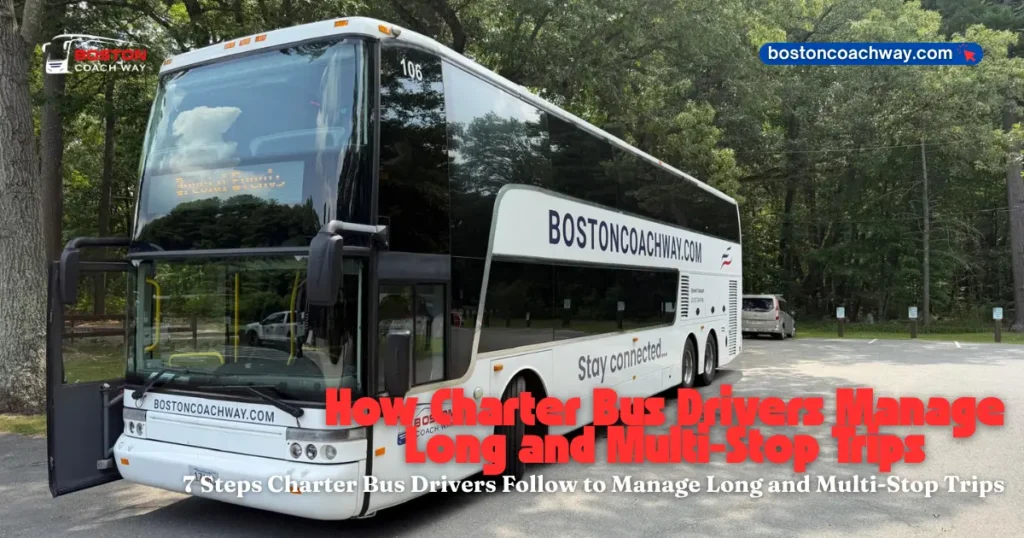
Charter bus drivers manage long, multi-stop trips by inspecting the motorcoach, reviewing the itinerary, planning routes, coordinating passengers and luggage, following federal driving-hour regulations, and adjusting schedules as conditions change. These procedures help drivers complete multiple pickups, drop-offs, and scheduled stops while maintaining passenger safety and keeping the trip organized.
A multi-stop journey involves several moving parts, including passenger headcounts, luggage transfers, pickup and drop-off locations, rest breaks, parking arrangements, and arrival times. For example, a charter bus trip from Boston to Plymouth, Hyannis, and Provincetown requires coordination at every destination. Understanding these procedures helps group organizers create realistic itineraries, anticipate potential delays, and coordinate effectively with their transportation provider.
Table of Contents
1. Prepare the Charter Bus and Review the Trip Itinerary
Before passengers board, the charter bus driver checks the motorcoach’s condition and confirms that the travel plan is complete. A pre-trip inspection covers the service brakes, tires, steering, headlights, turn signals, windshield wipers, mirrors, horn, and emergency equipment. The driver also checks dashboard warnings, fluid leaks, fuel levels, passenger doors, and other equipment that affects safe operation. Drivers must report and address any defect that could make the vehicle unsafe before departure.
The itinerary review covers more than the departure and arrival times. Drivers confirm the passenger count, pickup addresses, destination sequence, scheduled stops, parking arrangements, and final drop-off points with the dispatcher or group organizer. For example, a Boston trip that includes Plymouth, Hyannis, and Provincetown requires clear instructions for each loading area and arrival window. Reviewing these details early helps identify missing information, unsuitable stopping locations, and scheduling conflicts before the journey begins.
2. Plan Routes and Organize Multiple Destinations
The route between destinations is not always suitable for a full-size motorcoach, even when GPS navigation recommends it. Drivers consider vehicle height, length, turning radius, road weight limits, bridge clearances, and restrictions on commercial vehicles before choosing a route. They also check construction zones, toll roads, traffic patterns, and locations where a charter bus can safely load passengers or park.
For a multi-stop trip, the order of destinations affects total travel time and the amount of unnecessary driving. A driver may review the itinerary with dispatch to group nearby stops and avoid backtracking. Consider a journey from Boston to Plymouth, Hyannis, and Provincetown. The route plan must account for traffic approaching Cape Cod, suitable bus access at each destination, and the group’s scheduled activities. Drivers should also allow reasonable time between stops for congestion and passenger loading. A practical route balances road suitability, distance, access, and the agreed schedule.
3. Coordinate Passenger Pickups, Drop-Offs, and Luggage
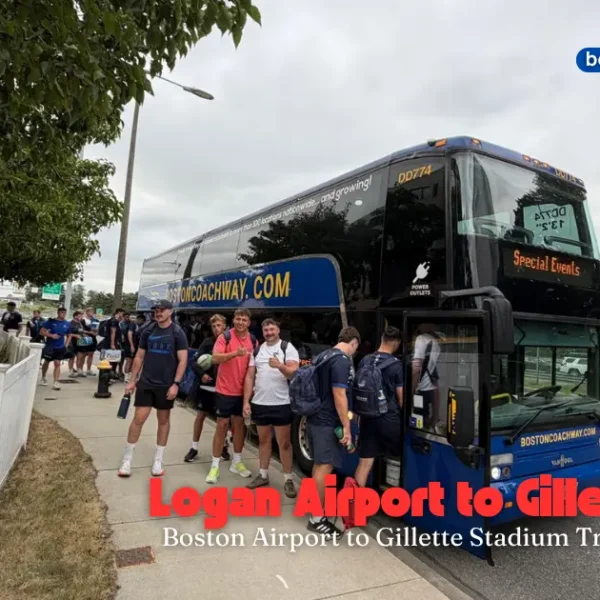
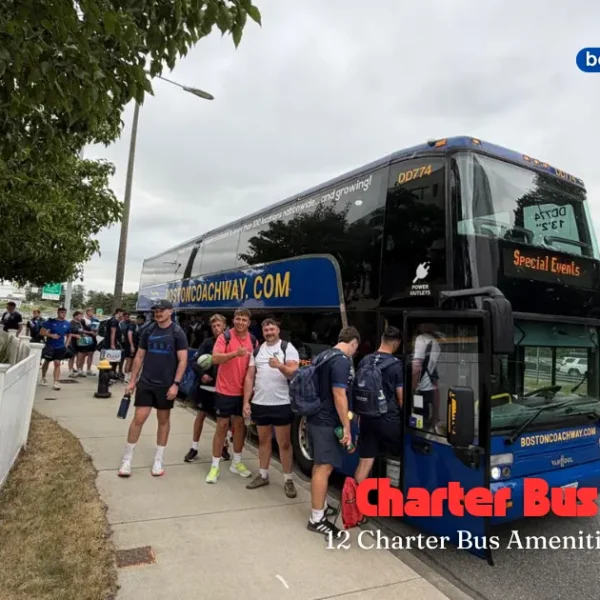
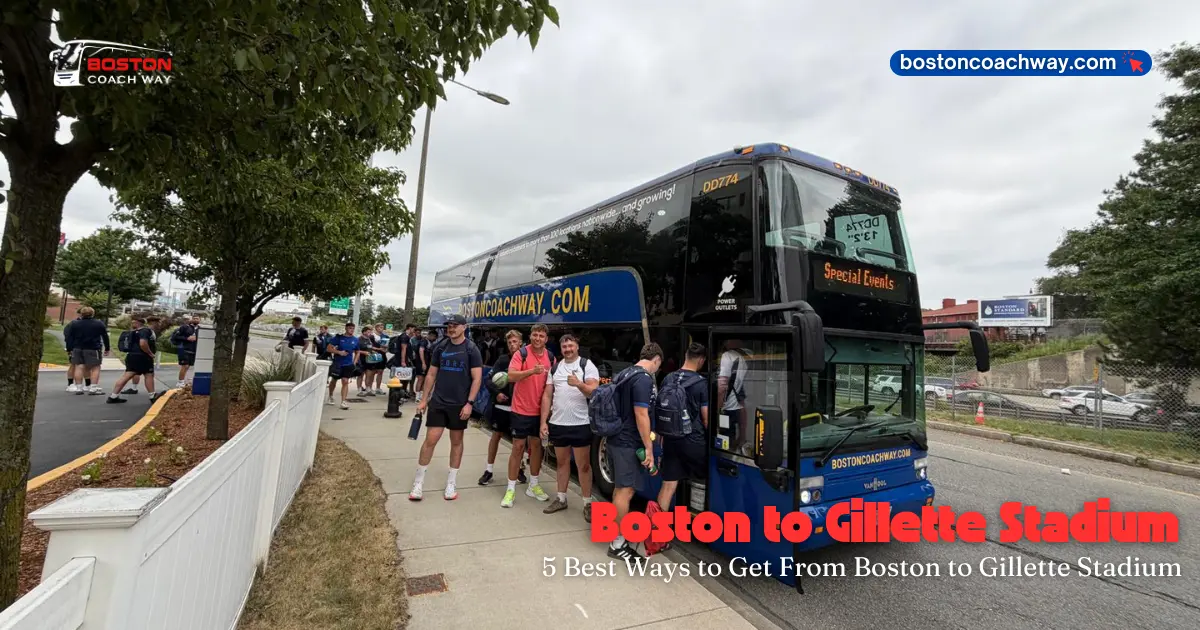
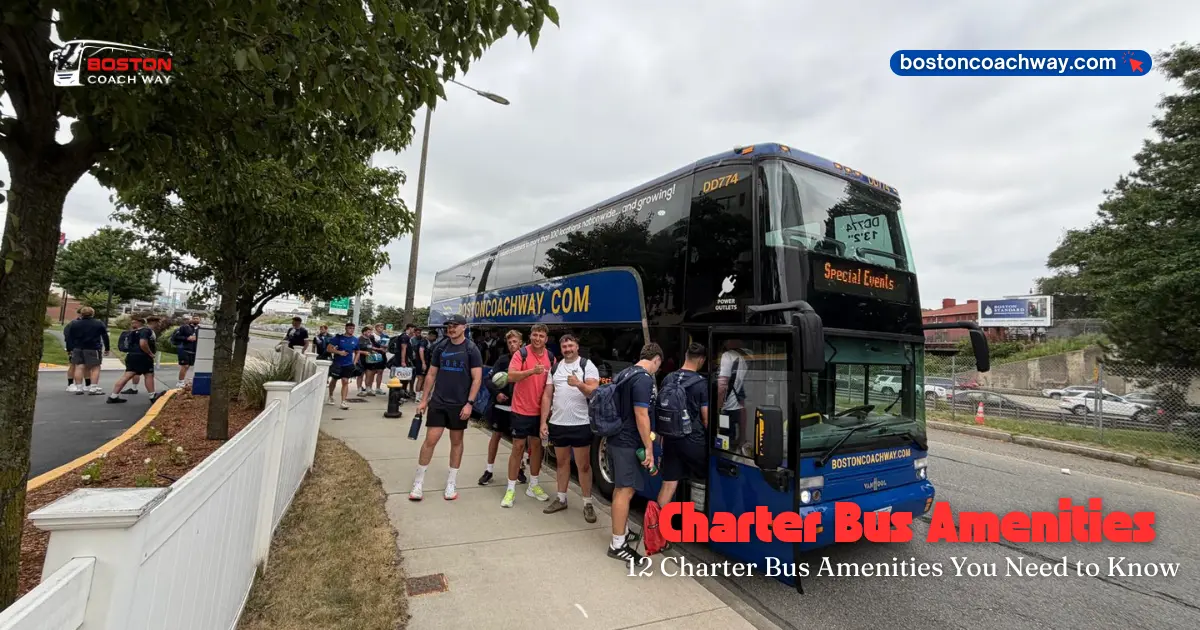
At each pickup point, the driver confirms where passengers are boarding and checks the group against the passenger manifest or organizer’s headcount. The driver communicates where the motorcoach will stop, allows passengers to board safely, and checks that the aisle and exits remain clear. At busy locations, such as hotels, airports, and event venues, a clearly identified meeting point helps prevent passengers from boarding the wrong vehicle or waiting in an unsafe area.
Luggage requires separate planning when passengers leave at different destinations. Bags can be grouped by passenger or drop-off point before being placed in the motorcoach’s underfloor storage compartments. For example, luggage belonging to passengers leaving in Hyannis can be positioned for access without unloading bags assigned to the final Provincetown stop. The group organizer can help by labeling bags and notifying the driver about oversized items. Headcounts at departure and after major stops also help confirm that everyone is accounted for.
4. Manage Driving Hours, Rest Periods, and Driver Fatigue
A long itinerary must fit within the driver’s available hours of service. Under the Federal Motor Carrier Safety Administration’s rules for passenger-carrying commercial motor vehicles, a driver generally cannot drive more than 10 hours after 8 consecutive hours off duty. The driver also cannot continue driving after being on duty for 15 hours following those 8 hours off. Weekly limits are 60 hours in 7 consecutive days or 70 hours in 8 consecutive days, depending on the carrier’s operating schedule. These limits are set out in 49 CFR § 395.5.
These rules affect how dispatchers schedule departures, passenger activities, waiting periods, and overnight stays. Driving time and on-duty time are not the same: inspections, loading, and other work can count toward the on-duty limit. A second qualified driver may be assigned when the planned journey cannot be completed within one driver’s legal hours. Passenger-carrying operations also have different break rules from property-carrying operations, so the applicable passenger-carrier regulations must guide the schedule.
5. Manage Scheduled Stops and Passenger Activities
A scheduled stop has three important details: where the bus unloads, where it waits, and when the group returns. These arrangements vary by destination. A sightseeing stop may require a designated bus loading zone and separate motorcoach parking, while a restaurant stop may involve a specific departure time and a nearby meeting point. The driver confirms these details before passengers leave the vehicle.
The group organizer often handles attendance and communicates when everyone has returned. This gives the driver a reliable passenger count before continuing to the next destination. For example, during a visit to a historic site in Plymouth, the bus may drop passengers near the entrance and park in an approved area until the group finishes. Drivers also monitor the itinerary when meal periods, restroom breaks, hotel check-ins, or event schedules take longer than planned. Any delay that affects later stops is communicated to dispatch and the organizer so arrival expectations can be updated.
6. Handle Traffic, Weather, and Unexpected Travel Disruptions
Traffic congestion, road closures, severe weather, accidents, and construction can change a charter bus itinerary after departure. When a disruption occurs, the driver assesses whether the planned route remains safe and suitable for the motorcoach. A road that works for a passenger car may have a low bridge, restricted turn, narrow lane, or unsuitable stopping area for a full-size bus.
GPS traffic information, road advisories, and dispatcher updates help identify possible alternatives. However, a shorter detour is not automatically a suitable one. The driver checks vehicle restrictions and safe access before changing the route. For instance, heavy traffic approaching Cape Cod may delay the journey from Plymouth to Hyannis. The driver can notify dispatch, while the organizer updates the group’s activity or arrival arrangements. Any revised schedule must also remain within the driver’s available hours of service. Passenger safety and legal driving limits take priority over keeping every original arrival time.
7. Complete Final Drop-Offs and Post-Trip Procedures
The final stop involves more than opening the doors and allowing passengers to leave. The driver confirms the unloading location, checks that passengers collect their belongings, and coordinates the removal of luggage from the storage compartments. A final headcount or confirmation from the group organizer helps resolve any uncertainty about passengers who may have left earlier or joined at a later stop. The driver also checks seats, overhead storage, and under-seat areas for forgotten property.
Once the passengers have departed, the driver follows the carrier’s post-trip inspection and reporting procedures. Under 49 CFR § 396.11, applicable motor carriers require drivers to report safety-related defects found during the day’s work. The report covers equipment such as brakes, steering, lights, tires, mirrors, wipers, wheels, and emergency equipment. Drivers must address any defect that could affect safe operation before operating the vehicle again. The driver also reports relevant delays, incidents, and lost property to the dispatcher, leaving the motorcoach ready for its next assignment.
What Factors Make Long and Multi-Stop Charter Bus Trips More Challenging?
Long and multi-stop charter bus trips become more challenging when route complexity, passenger coordination, driving-hour restrictions, changing travel conditions, and scheduling conflicts affect the journey. Five factors have a direct impact on trip management:
- Complex Routes and Destination Access: Multiple destinations introduce different road restrictions, parking requirements, bridge clearances, and motorcoach loading areas. Narrow streets and limited bus parking can complicate access.
- Passenger and Luggage Coordination: Different pickup and drop-off points make passenger headcounts and luggage organization more demanding. Drivers must account for passengers and belongings at every scheduled stop.
- Driving-Hour Limits and Fatigue: FMCSA hours-of-service regulations restrict driving and on-duty time. Long itineraries require careful scheduling of rest periods, overnight stays, and relief drivers when necessary.
- Traffic and Weather Conditions: Highway congestion, road construction, accidents, snow, heavy rain, and road closures can delay arrivals or require suitable alternative routes.
- Scheduling and Stop Duration: Sightseeing, meals, restroom breaks, hotel check-ins, and passenger activities can take longer than planned. A delay at one destination can affect every subsequent arrival time.
How Can Group Organizers Help Charter Bus Drivers Manage Multi-Stop Trips?
Group organizers help charter bus drivers manage multi-stop trips by providing accurate travel details, coordinating passengers, and keeping scheduled activities on time. Their preparation reduces confusion at pickup points and helps drivers follow the agreed itinerary.
Before departure, organizers should share the passenger count, pickup and drop-off addresses, destination sequence, luggage requirements, and activity schedules. They should also confirm parking arrangements and identify suitable bus loading areas at each stop. During the journey, organizers can take responsibility for passenger headcounts, communicate departure times, and make sure everyone returns to the bus promptly.
If plans change, the organizer should inform the driver and dispatcher as early as possible. For example, if a group needs more time at a sightseeing destination, communicating the delay helps the driver assess its impact on later stops and driving-hour limits. Clear communication and shared responsibilities allow drivers to focus on safe driving while organizers manage the group’s activities.
What Information Should Be Included in a Multi-Stop Charter Bus Itinerary?
A multi-stop charter bus itinerary should give the driver enough information to plan routes, coordinate passengers, and manage arrival times. Include these essential details:
- Travel Date and Departure Time: Specify the trip date, scheduled departure, and expected return time.
- Pickup Locations: Provide complete addresses, meeting points, and passenger counts for each pickup.
- Destination Sequence: List every destination in the correct order, including addresses and planned arrival times.
- Stop Duration and Activities: Explain how long the group expects to stay at each location and what activities are scheduled.
- Drop-Off Details: Identify final drop-off locations and the number of passengers leaving at each point.
- Luggage Requirements: Note the expected number of bags, oversized items, and any special storage needs.
- Parking and Access Information: Include designated bus parking areas, loading zones, and relevant access instructions.
- Organizer’s Contact Details: Provide the primary contact’s name and phone number for schedule changes or coordination.
Accurate details help drivers and dispatchers identify potential route or scheduling issues before departure.