




Salem is one of the easiest and most rewarding day trips from Boston, with several practical ways to reach its historic downtown, museums, waterfront, and witch trial landmarks. Travelers can choose the train, the MBTA Route 450 bus, the seasonal ferry, rideshare, taxi, a private charter bus, or a private car service.
This guide compares all seven options by travel time, cost, comfort, flexibility, advantages, limitations, and traveler type. It also explains the fastest and cheapest options, as well as the best transportation for couples, solo travelers, families, and organized groups traveling from Boston to Salem.
Table of Contents
How Far Is Salem From Boston?
Salem is about 15 miles northeast of Boston, making it close enough for a convenient same-day trip from Boston. The actual road distance varies by departure point and route, while traffic can significantly affect driving time.
A direct drive may take around 30 minutes in light traffic, but weekday congestion and busy October weekends can extend the journey. The MBTA Commuter Rail takes approximately 30 minutes from North Station, while the seasonal ferry from Long Wharf usually takes 50 to 60 minutes. These short travel times allow visitors to leave Boston in the morning, explore Salem’s downtown attractions, and return the same evening.
What Are the Best Ways to Get From Boston to Salem?
The best ways to get from Boston to Salem include the train, MBTA Route 450 bus, seasonal ferry, rideshare, taxi, private charter bus, and private car service.
1. Train
Travel Time: About 30 minutes
Cost: $8 one way or $10 for an unlimited weekend pass
Pros: Direct route, affordable fare, predictable timing, year-round service, and easy access to downtown Salem
Cons: Fixed schedules, crowded October trains, and extra travel required to reach North Station
Best For: Solo travelers, couples, small families, and budget-conscious day-trippers
The MBTA Commuter Rail is the most practical Boston-to-Salem option for most day-trippers because it combines speed, affordability, and downtown access. Trains leave North Station on the Newburyport/Rockport Line and reach Salem Station at the northern end of Washington Street. The rail trip takes about 30 minutes and runs daily throughout the year. Salem Station is close to Essex Street, the Peabody Essex Museum, Salem Common, the Salem Witch Trials Memorial, restaurants, shops, and walking-tour meeting points.
Travelers can purchase tickets through the MBTA mTicket app, at North Station, or onboard where permitted. Salem is in Zone 3, so the standard adult fare is $8 each way. Weekend visitors can often save with the $10 unlimited Commuter Rail weekend pass.
The train avoids most road congestion, but passengers must follow a fixed timetable. Service may also become crowded during Haunted Happenings, October weekends, and Halloween events. Leave Boston early and confirm the evening return schedule before entering museums or joining guided tours. Travelers staying near Back Bay, the Seaport, or Logan Airport should also include the time required to reach North Station. For solo visitors, couples, and small families, the commuter rail provides the clearest balance of price, speed, and convenience.
2. MBTA Route 450 Bus
Travel Time: About 60–75 minutes
Cost: $4.25 one way through August 31, 2026; $1.70 under the pilot beginning September 1, 2026
Pros: Low fare, direct Boston connection, central Salem arrival, and service to communities along the North Shore
Cons: Many stops, traffic delays, longer journey, and less predictable arrival times
Best For: Solo travelers, students, local visitors, and budget-conscious day-trippers
The MBTA Route 450 bus provides a direct public-transit connection between Salem Depot and Haymarket or Wonderland, depending on the scheduled trip. Visitors starting in central Boston should confirm the destination pattern before boarding because not every trip follows the same terminal routing. A full Haymarket-to-Salem journey generally takes about 60 to 75 minutes, although traffic through Boston, Revere, Lynn, and the North Shore can increase the travel time.
Route 450 arrives at Salem Depot beside the commuter rail station. From there, travelers can walk toward Washington Street, Essex Street, the Peabody Essex Museum, Salem Common, and the Salem Witch Trials Memorial. The downtown location makes the bus useful for travelers who do not need a car after arrival.
The bus usually costs less than the commuter rail, ferry, taxi, or private transportation. The current express-bus fare is $4.25, with a pilot reducing it to the $1.70 local-bus fare beginning September 1, 2026.
However, the lower fare comes with more stops and less predictable timing. Delays can create problems for visitors holding timed museum tickets, restaurant reservations, or walking-tour bookings. Route 450 works best for budget-conscious travelers with flexible schedules. For a tightly planned day trip, the commuter rail usually preserves more sightseeing time.
3. Ferry
Travel Time: About 50–60 minutes
Cost: Adult tickets start at approximately $29 one way
Pros: Scenic coastal views, indoor and outdoor seating, onboard restrooms, and waterfront arrival
Cons: Seasonal service, higher fares, limited departures, weather sensitivity, and possible peak-season sellouts
Best For: Couples, families, photographers, and first-time Salem visitors
The Salem Ferry turns the trip from Boston into part of the day-trip experience. It leaves Long Wharf in Downtown Boston and crosses Boston Harbor and Massachusetts Bay before arriving at Blaney Street Wharf in Salem. The crossing normally takes 50 to 60 minutes. From the Salem terminal, passengers can walk to Pickering Wharf, Derby Street, Salem Maritime National Historical Site, The House of the Seven Gables, restaurants, and downtown attractions.
The ferry operates seasonally, generally from late May through October 31. It does not provide the same year-round availability as the commuter rail. Adult tickets start at approximately $29 one way, although fares can vary by trip, passenger category, and booking conditions.
The main advantage is the experience. Passengers receive coastal views, indoor and outdoor seating, restrooms, and a waterfront arrival. The main limitations are weather sensitivity, fewer departures, higher prices, and possible sellouts during summer weekends and October.
Reserve tickets early when visiting during peak season. Arrive before boarding time and confirm the final return departure. Some travelers take the ferry to Salem and return by train, combining a scenic outbound journey with a more flexible evening schedule. The ferry works especially well for couples, families, photographers, and visitors who want transportation to become a memorable part of the Boston-to-Salem day trip.
4. Rideshare
Travel Time: About 35–60 minutes
Cost: Variable; commonly around $40–$80 one way before surge pricing
Pros: Door-to-door pickup, flexible departure, direct attraction drop-off, and multiple vehicle categories
Cons: Dynamic pricing, traffic exposure, limited luggage space, and uncertain return availability during busy events
Best For: Solo travelers, couples, and small groups of up to four passengers
A rideshare offers flexible, door-to-door travel from a Boston hotel, residence, airport terminal, or neighborhood to a specific Salem attraction. Passengers can request pickup through an app and choose a standard vehicle, larger option, or premium category. In moderate traffic, the drive generally takes 35 to 60 minutes. Rush hour, tunnel delays, Route 1A congestion, road construction, and October crowds can extend the journey beyond one hour.
Rideshare fares are dynamic rather than fixed. The app calculates the price using pickup location, destination, vehicle type, driver supply, passenger demand, tolls, estimated distance, and travel time. A typical trip may cost about $40 to $80, but travelers must check the live estimate because surge pricing can raise the fare during rain, weekend evenings, Haunted Happenings, or Halloween.
The key advantage is convenience. Travelers do not need to reach North Station or Long Wharf, and they can arrive near the Salem Witch Museum, Peabody Essex Museum, Pickering Wharf, a restaurant, or a tour meeting point. The main disadvantages are uncertain pricing, limited luggage space, traffic exposure, and unpredictable return availability.
Check both the outbound and estimated return price before deciding. Families may require an XL vehicle, while larger groups may need several cars. Rideshare works best for solo travelers, couples, and small parties prioritizing flexible departure times over fixed public-transit fares.
5. Taxi
Travel Time: About 35–60 minutes
Cost: Approximately $50–$75 one way before gratuity
Pros: Direct service, regulated meter rates, professional pickup, no app requirement, and assistance from hotels or taxi stands
Cons: Higher cost than public transit, limited capacity, metered waiting charges, and difficulty securing return service during peak events
Best For: Solo travelers, couples, seniors, and parties of up to three passengers
A taxi provides direct transportation from Boston to Salem without requiring a transit schedule, ferry reservation, or rideshare account. Travelers can request a cab from a hotel, taxi stand, Logan Airport, or central Boston pickup point and travel directly to a museum, restaurant, hotel, or historic district in Salem. The drive generally takes 35 to 60 minutes, but traffic can increase both journey time and final cost.
Boston taxis use regulated meter rates. The fare begins at $2.60 for the first one-seventh mile, adds $0.40 for each additional one-seventh mile, and includes waiting charges of $28 per hour. Tolls are additional. Based on this meter structure and Salem’s location about 16 miles north of Boston, many trips may cost approximately $50 to $75 before gratuity. The exact amount depends on the starting point, route, congestion, and idling time.
A taxi offers professional pickup, direct routing, and assistance from hotel staff or dispatchers. It can be useful for early departures or travelers who do not use smartphone apps. However, a standard cab has limited passenger and luggage capacity.
Ask for an estimate before departure and confirm that the longer trip is accepted. Plan the return during October, when Salem demand rises. Taxis work best for solo travelers, couples, seniors, and small parties seeking traditional door-to-door service.
6. Private Charter Bus
Travel Time: About 45–75 minutes
Cost: Custom quote based on vehicle size, service duration, date, mileage, parking, and itinerary
Pros: One vehicle for the entire group, custom scheduling, luggage capacity, professional driver, and coordinated return transportation
Cons: Booking, higher total price, minimum service requirements, and Salem motorcoach restrictions
Best For: School trips, corporate groups, churches, senior organizations, wedding parties, tour groups, and large families
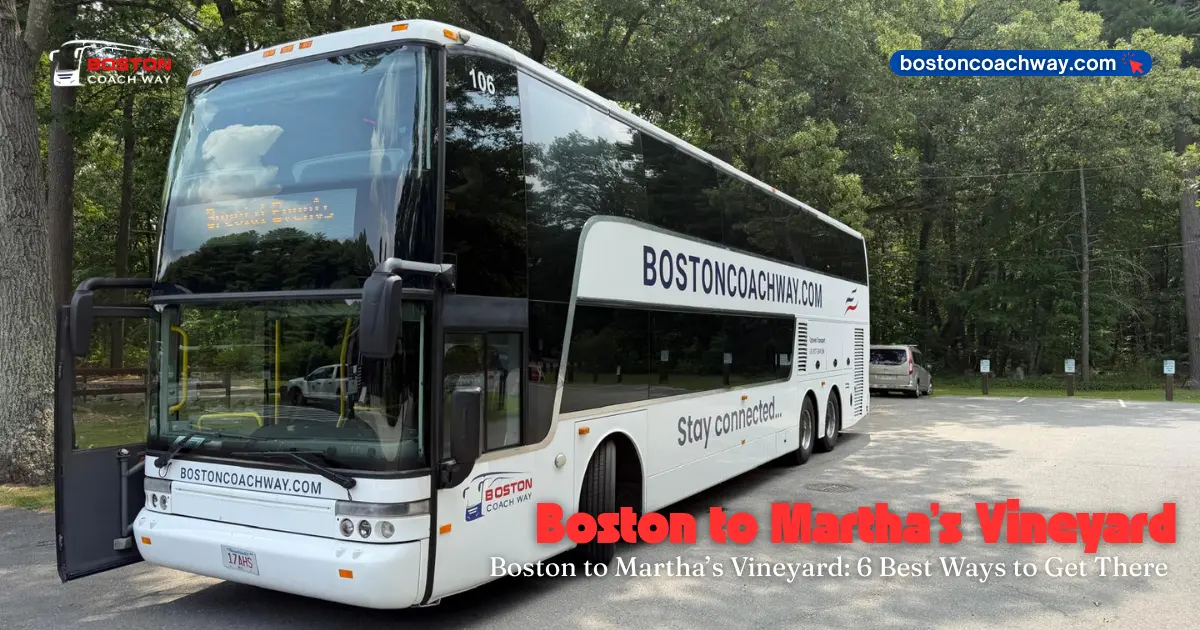
A private charter bus is the strongest Boston-to-Salem option for organized groups that need to travel together, follow one itinerary, and return at a planned time. Pickup can begin at a Boston hotel, school, office, convention venue, cruise terminal, Logan Airport, or another approved location. Depending on traffic and loading time, the journey generally takes 45 to 75 minutes.
Charter bus pricing is customized rather than sold as an individual fare. The quote depends on passenger count, vehicle size, service hours, mileage, date, driver time, parking, permits, and planned stops. A minibus may suit a smaller group, while a full-size motorcoach provides greater seating and luggage capacity. Dividing the total cost among many passengers can improve per-person value.
The main advantage is coordination. The group boards one vehicle, follows one schedule, and can plan museum reservations, walking tours, meals, and return transportation together. Available amenities may include climate control, reclining seats, luggage bays, Wi-Fi, and power outlets, depending on the vehicle.
The main limitations are booking, higher total cost, and Salem’s motorcoach access rules. Operators must use approved loading, unloading, and parking areas.
Private charter buses work best for school trips, corporate outings, church groups, senior organizations, wedding parties, tour groups, and large families that value schedule control and group accountability.
7. Private Car Service
Travel Time: About 35–60 minutes
Cost: Custom quote; generally higher than a taxi or rideshare
Pros: Reserved vehicle, professional chauffeur, private cabin, fixed pickup, direct routing, and dependable return service
Cons: Premium pricing, limited sedan capacity, waiting charges, and possible fees for schedule changes
Best For: Couples, executives, senior travelers, small families, and travelers seeking privacy and comfort
A private car service provides reserved, door-to-door transportation from Boston to Salem with a confirmed pickup time, vehicle, and chauffeur. Travelers may choose an executive sedan, luxury SUV, passenger van, or Sprinter-style vehicle based on party size and luggage needs. The drive usually takes 35 to 60 minutes, although weekday congestion and October traffic can extend the journey.
Pricing is quote-based and typically starts higher than a rideshare or taxi. The final rate depends on the pickup address, vehicle class, passenger count, trip date, tolls, waiting time, service duration, and additional stops. Travelers should request a written quote and confirm whether gratuity, parking, tolls, and overtime are included.
The main advantage is certainty. The vehicle is reserved in advance, the pickup plan is established, and round-trip service can secure the return to Boston. This is valuable for couples with dinner reservations, executives following a schedule, families carrying luggage, and senior travelers who may need assistance.
The main disadvantage is premium pricing. Sedans and SUVs also have limited capacity, while itinerary changes or extended waiting may create added charges. Provide the complete Salem schedule before booking and review cancellation terms.
Private car service works best for couples, executives, seniors, small families, and travelers prioritizing privacy, comfort, punctuality, and dependable return arrangements over the lowest Boston-to-Salem travel cost.
What Is the Best Option to Get From Boston to Salem?
The MBTA Commuter Rail is the best overall option for most travelers going from Boston to Salem. It combines a short 30-minute ride, affordable fares, year-round service, and an arrival point within walking distance of downtown Salem. However, the ferry is better for scenic travel, while private transportation offers greater flexibility for couples, families, and organized groups.
Option | Average Time | Typical Cost | Departure and Arrival | Best For | Schedule Flexibility | Traffic or Transfer Notes |
Train | About 30 minutes | $8 one way; $10 weekend pass | North Station to Salem Station | Most visitors, solo travelers, couples, and small families | Moderate | No transfer required; avoids road congestion |
MBTA Route 450 Bus | 60–75 minutes | About $4.25 one way | Haymarket or Wonderland to Salem Depot | Travelers prioritizing the lowest fare | Low to moderate | Direct service, but frequent stops and traffic can cause delays |
Ferry | 50–60 minutes | About $29–$39+ one way | Long Wharf to Blaney Street Wharf | Couples, families, and sightseeing-focused visitors | Low | Seasonal service; boarding time and weather may affect the trip |
Rideshare | 35–60 minutes | About $40–$80 one way | Any Boston pickup to a chosen Salem location | Solo travelers, couples, and small parties | High | No transfer, but congestion and surge pricing can increase time and cost |
Taxi | 35–60 minutes | About $50–$75 one way | Hotel, taxi stand, or airport to Salem | Travelers who prefer traditional door-to-door service | High | Metered waiting time makes heavy traffic more expensive |
Private Charter Bus | 45–75 minutes | Custom group quote | Custom Boston pickup to approved Salem stops | Schools, companies, tour groups, churches, and large families | Very high | No passenger transfers; group loading and motorcoach rules require planning |
Private Car Service | 35–60 minutes | Custom premium quote | Scheduled door-to-door service | Couples, executives, seniors, and small families | Very high | Direct trip with reserved return service; road traffic still affects timing |
What Is the Fastest Option From Boston to Salem?
The MBTA Commuter Rail is the fastest option from Boston to Salem for most day-trip travelers. Trains leave North Station and usually reach Salem Station in about 30 minutes, avoiding delays caused by road congestion. A rideshare or private car may be faster door to door when traffic is light, and pickup begins far from North Station. However, driving times can rise sharply during rush hour, October weekends, and major Salem events, making the train the more predictable choice overall.
What Is the Cheapest Way to Get From Boston to Salem?
The MBTA Route 450 bus is the cheapest way to get from Boston to Salem. Its fare is lower than the commuter rail, ferry, taxi, rideshare, or private transportation, making it suitable for travelers focused on saving money. The tradeoff is a longer journey with frequent stops and possible traffic delays. Weekend visitors should also compare the commuter rail weekend pass, because it may provide better value when the trip includes both the outbound and return journey, improving overall value.
What Is the Best Option for Couples Visiting Salem From Boston?
The Salem Ferry is the best option for couples visiting Salem from Boston when the seasonal schedule matches their plans. The coastal journey adds harbor views, outdoor seating, and a waterfront arrival near Derby Street and Pickering Wharf. Couples prioritizing speed and value may prefer the commuter rail, while a private car service offers greater privacy and flexible pickup times. The best choice depends on whether the day trip centers on scenery, convenience, cost, or a special occasion in Salem.
What Is the Best Option for Solo Travel From Boston to Salem?
The MBTA Commuter Rail is the best option for solo travel from Boston to Salem because it is direct, affordable, easy to navigate, and close to downtown attractions. A solo traveler can leave North Station, arrive near Washington Street, and explore most central sites on foot. The train also avoids the higher per-person cost of taxis, rideshares, and private vehicles. Confirm the return schedule before starting the day, especially during weekends, holidays, October events, and evening activities in Salem independently.
What Is the Best Option for Group Travel From Boston to Salem?
A private charter bus is the best option for group travel from Boston to Salem when everyone needs to follow one schedule and arrive together. One vehicle simplifies pickup, passenger coordination, luggage handling, attraction reservations, and the return trip. Schools, companies, churches, senior groups, wedding parties, and large families can choose a minibus or full-size motorcoach based on group size. Although the total price is higher than public transit, the per-person cost can become practical when shared across the group.

Is a Charter Bus Safe for Group Travel to Salem?
A charter bus is a safe option for group travel to Salem when the service comes from a licensed, insured, and safety-compliant operator. Before booking a charter bus rental, verify the company’s operating authority, safety history, vehicle maintenance practices, and commercial driver qualifications. FMCSA also recommends reviewing emergency equipment and using seat belts when available. A private bus also keeps passengers together, reduces multiple-vehicle coordination, and provides controlled pickup, loading, and return arrangements.