




Planning a trip from Boston to Martha’s Vineyard takes a little more coordination than a typical road trip. Because the island is separated from the Massachusetts mainland by water, travelers must reach it by ferry or flight, with ground transportation often part of the journey. The right option depends on how quickly you want to arrive, how much you want to spend, whether you need to bring a car, and how many people are traveling with you.
This guide compares six ways to travel from Boston to Martha’s Vineyard, covering travel time, cost, passenger capacity, advantages, drawbacks, and who each option suits best. It also explains how far Martha’s Vineyard is from Boston, whether a day trip is practical, and how to choose the right transportation for your itinerary.
Table of Contents
How Far Is Martha’s Vineyard From Boston?
Martha’s Vineyard is roughly 130 km (80 miles) from Boston by road and ferry route, although the exact distance varies depending on your starting point and ferry terminal. The island itself sits about 11 km (7 miles) south of Cape Cod across Vineyard Sound.
To reach it from Boston, travelers typically travel to a mainland ferry terminal before crossing to the island. The final ferry crossing from Woods Hole is approximately 13 km (8 miles) and takes about 45 minutes, making the total journey considerably longer than the distance across the water alone.
How Long Does It Take to Get From Boston to Martha’s Vineyard?
Getting from Boston to Martha’s Vineyard typically takes 3 to 5 hours by ground transportation and ferry, depending on traffic, your departure point, ferry schedule, and connection time. The ferry crossing itself is much shorter, with the trip from Woods Hole to Martha’s Vineyard taking about 45 minutes.
Flying can reduce the overall journey considerably, with a direct flight from Boston to Martha’s Vineyard taking around 40 minutes in the air. During summer weekends and holidays, allow extra time for traffic, parking, and busy ferry terminals.
How to Get From Boston to Martha’s Vineyard
Travelers can get from Boston to Martha’s Vineyard in six main ways: train + ferry, flight, drive + ferry, bus + ferry, private transportation, or rideshare/taxi + ferry. The best choice depends on your travel time, budget, group size, luggage, and whether you need to bring a vehicle.
1. Train + Ferry
Travel Time: About 3.5–5 hours, including the train, transfer, ferry, and waiting time.
Typical Cost: About $33+ per adult one way, combining a $22 train fare with an $11 passenger ferry fare.
Pros: No driving, comfortable journey, avoids highway traffic, and offers a relaxed way to reach the ferry connection.
Cons: Seasonal availability, fixed schedules, multiple connections, and possible waiting between services.
Best For: Solo travelers, couples, and families who prefer rail travel and do not need a car.
Train and ferry travel is a practical alternative for visitors who want to avoid driving from Boston. The journey typically begins at Boston South Station before connecting with transportation toward Cape Cod and then continuing by ferry to Martha’s Vineyard.
The main advantage is that travelers can leave the driving to someone else throughout most of the mainland journey. However, the trip requires coordination between different schedules, so a delayed train or missed connection can extend the journey.
Because services can operate on seasonal schedules, check the train and ferry departure times together before booking. This option is best when you have a flexible itinerary and value a comfortable public transportation experience over the shortest possible travel time.
2. Flight
Travel Time: About 40-50 minutes in the air, with additional time for airport check-in, security, boarding, and ground transfers.
Typical Cost: About $229+ per adult, one-way when lower fares are available; prices vary by date and demand.
Pros: Fastest option, avoids Cape Cod traffic and ferry connections, and works well for short visits.
Cons: Higher cost, airport procedures, baggage limitations, and limited availability on some dates.
Best For: Travelers who prioritize speed and convenience over price.
Flying provides the most direct way to travel between Boston and Martha’s Vineyard because the journey does not require a mainland ferry connection. Flights depart from Boston Logan International Airport and arrive at Martha’s Vineyard Airport.
The approximately 40-minute flight time is significantly shorter than a ground-and-ferry journey, but travelers should consider the complete airport experience rather than looking only at time in the air. You still need to reach the airport, complete check-in and security procedures, board the aircraft, and travel from the island airport to your final destination.
Airfare can also vary considerably. A lower fare may make flying attractive for a time-sensitive traveler, while peak-season prices can make ferry-based transportation more economical.
For a short trip where every hour matters, flying can provide the greatest time savings. For budget travelers or visitors carrying substantial luggage, another option may offer better overall value.
3. Drive + Ferry
Travel Time: About 2.5–4 hours or more, including the drive, ferry check-in, waiting, and approximately 45-minute crossing.
Typical Cost: About $127+ one-way for a standard vehicle during applicable 2026 summer weekday fares, plus passenger fares, fuel, and other driving costs.
Pros: Flexible departure, easy luggage handling, and the ability to keep your vehicle on the island.
Cons: Traffic, vehicle-ferry reservations, fuel costs, and additional vehicle transportation charges.
Best For: Couples, families, and small groups that need a car during their Martha’s Vineyard stay.
Driving gives you more control over the mainland portion of the trip, but it does not take you directly to the island. You drive from Boston to a mainland ferry terminal, such as Woods Hole, and then board a vehicle ferry to Martha’s Vineyard.
The ferry crossing from Woods Hole takes about 45 minutes. Vehicle reservations are important, particularly during summer and other busy travel periods, because vehicle space is limited.
Bringing a car can be worthwhile if you plan to visit several towns or less accessible areas of the island. However, it also increases the total cost and requires more planning than traveling as a foot passenger.
For travelers staying near major island communities and planning a short visit, leaving the car on the mainland may be simpler. For longer stays or itineraries involving multiple destinations, having your own vehicle provides greater flexibility.
4. Bus + Ferry
Travel Time: About 3–4 hours, including the bus journey, ferry connection, waiting time, and approximately 45-minute ferry crossing.
Typical Cost: About $39+ per adult one-way, based on representative bus and passenger-ferry fares.
Pros: No driving, relatively affordable, convenient from Boston South Station, and useful for travelers without a car.
Cons: Fixed schedules, multiple travel stages, connection risks, and less flexibility.
Best For: Budget-conscious travelers who do not need a vehicle on Martha’s Vineyard.
Bus and ferry travel combines scheduled ground transportation from Boston with a passenger ferry to the island. A typical journey begins at Boston South Station, continues to Woods Hole or another mainland connection, and finishes with the ferry crossing.
The main attraction is cost. A bus fare can be considerably less than private transportation or airfare, while the passenger ferry provides an economical way to complete the island portion of the trip.
The tradeoff is flexibility. Travelers must coordinate the bus arrival with the ferry departure, and traffic can affect the road portion of the journey. Leaving too little time between connections can create unnecessary stress if the bus is delayed.
This option works particularly well for solo travelers and couples who want to keep transportation expenses under control. Families can also use it, although travelers with young children or substantial luggage may prefer a more direct transfer.
Once on Martha’s Vineyard, local buses, taxis, bicycles, and walking can provide transportation around the island.
5. Private Transportation
Travel Time: About 1.5–2.5 hours from Boston to the mainland ferry terminal in typical conditions, plus ferry and boarding time.
Typical Cost: About $2000+ varies by vehicle, passenger count, distance, pickup locations, and trip duration.
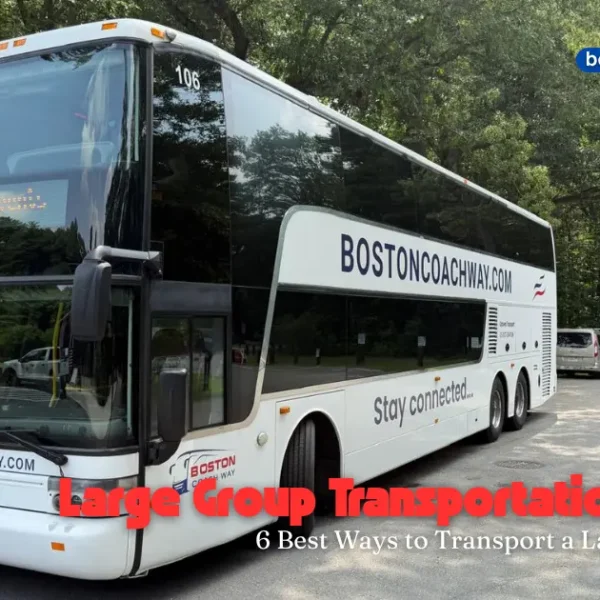
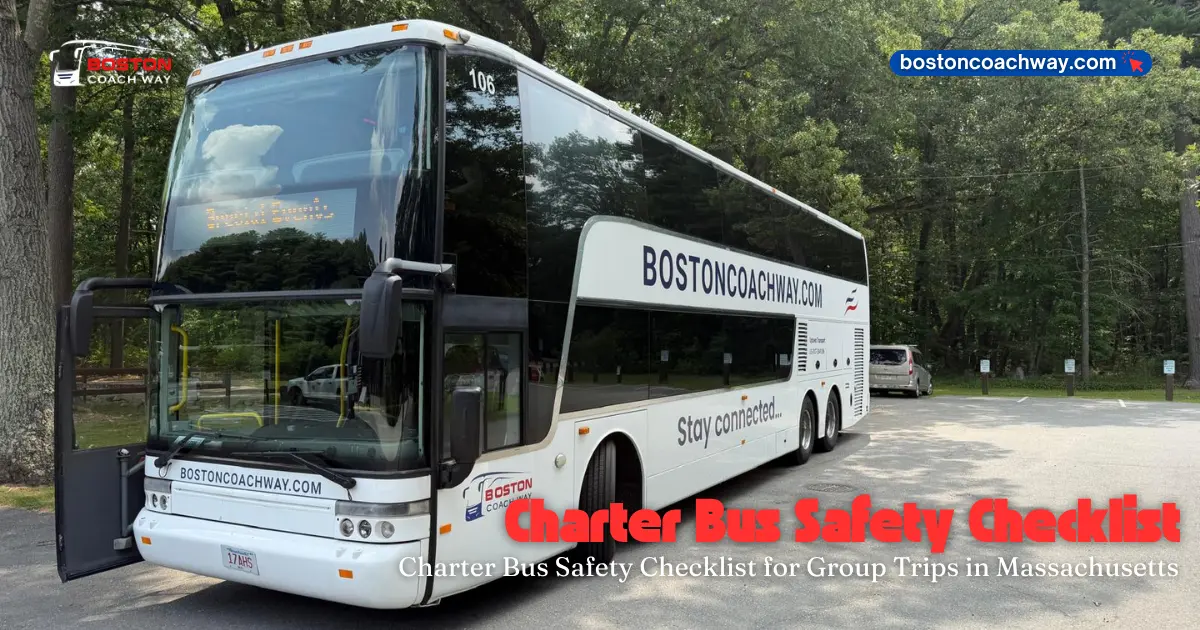
Passenger Capacity: Up to 56 passengers in a dedicated coach, depending on the selected vehicle.
Pros: Direct pickup, group travel, easier luggage handling, flexible scheduling, and coordinated transportation.
Cons: Higher upfront cost than public transportation, ferry costs remain separate, and traffic can still cause delays.
Best For: Families, wedding parties, corporate groups, school groups, and other groups traveling together.
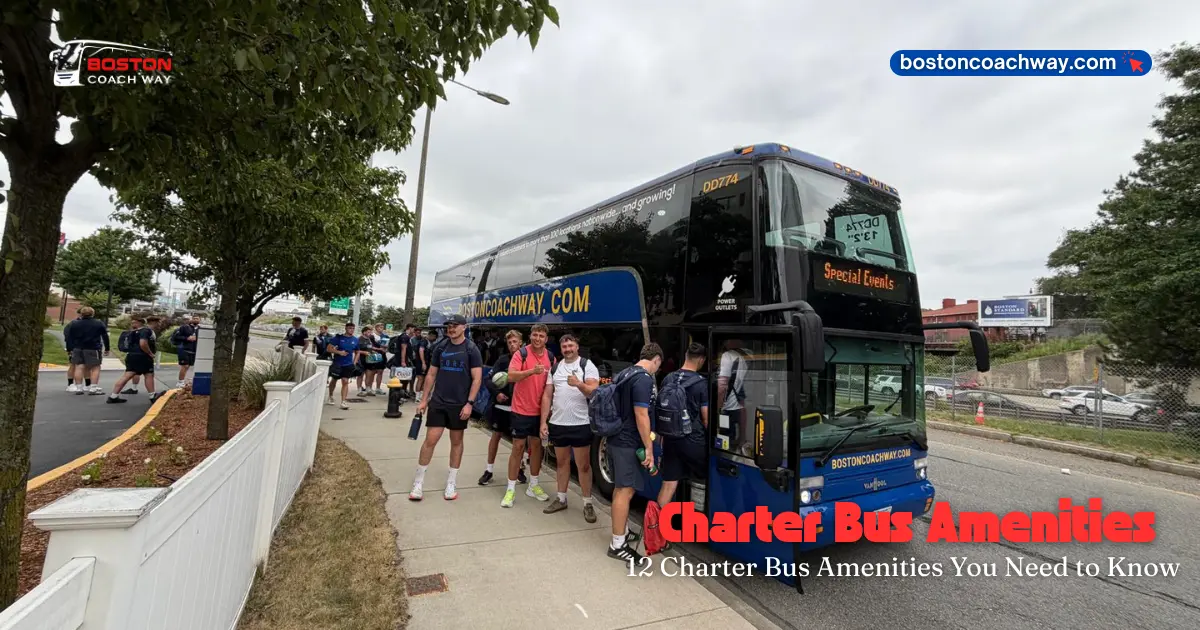
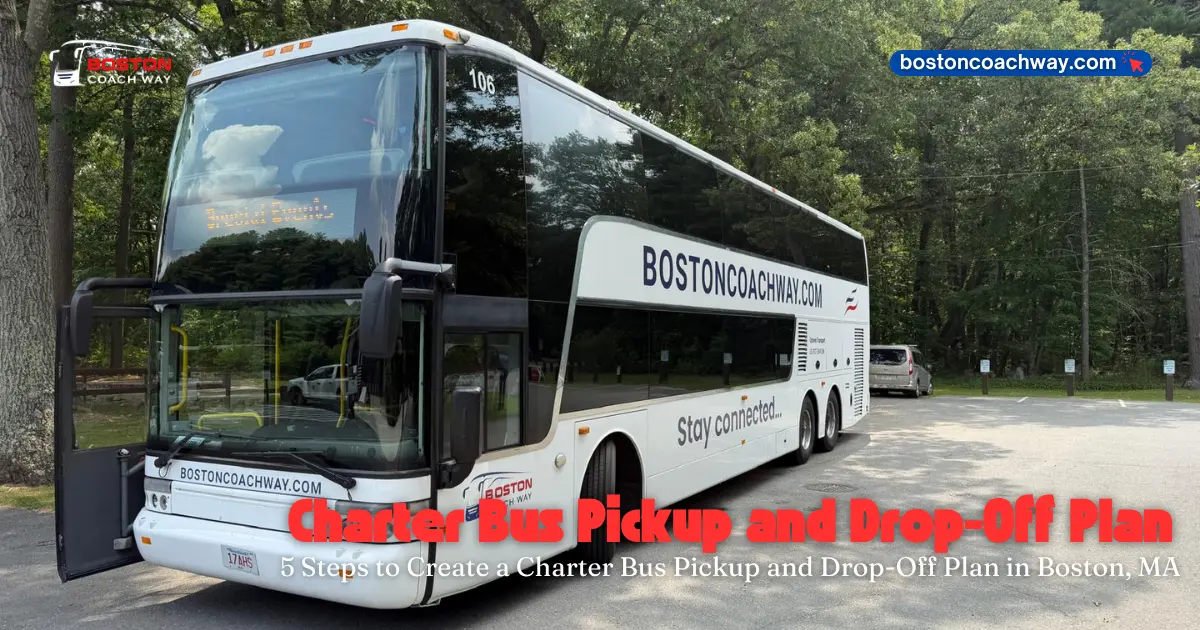
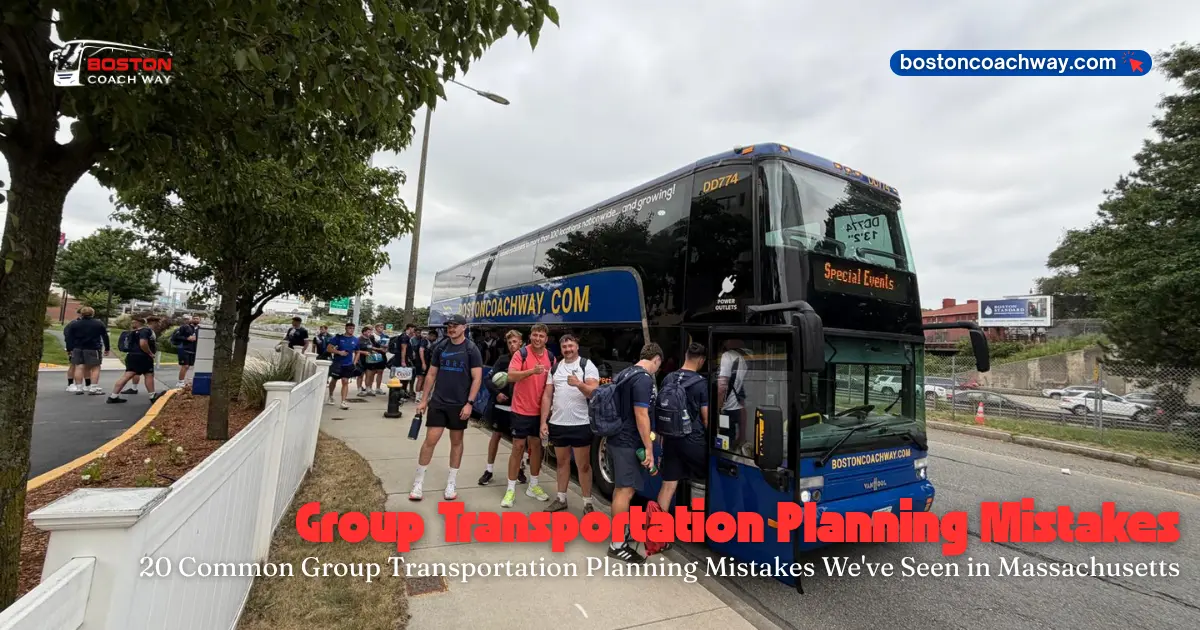
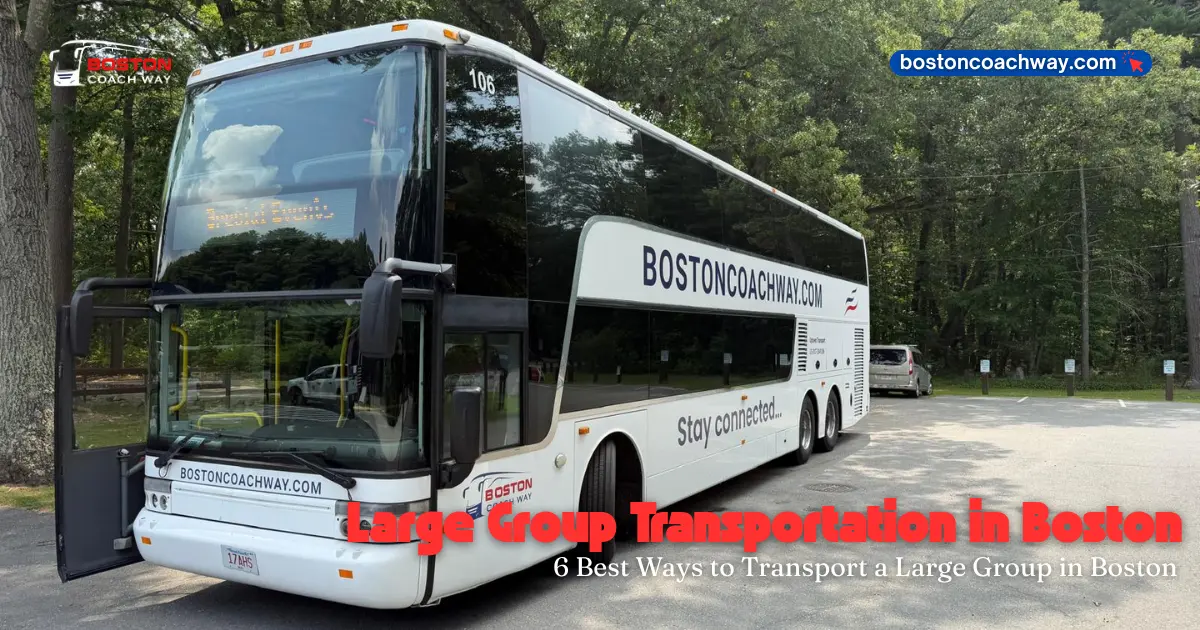
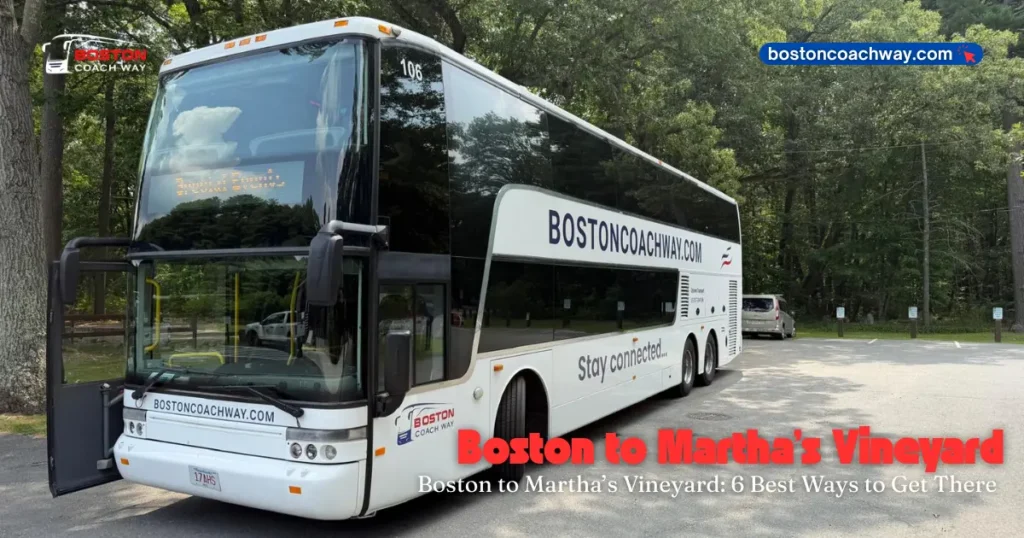
Private transportation is particularly useful when several passengers need to reach the same ferry terminal from Boston. Instead of arranging multiple cars, taxis, or public transportation connections, everyone can travel together from a designated pickup location.
A minibus can accommodate a medium-sized group while providing dedicated transportation for the mainland portion of the journey. Passenger count should still be considered alongside luggage volume, because the amount of baggage can affect the appropriate vehicle choice.
Pricing is normally determined by the specific itinerary rather than a fixed per-person fare. Pickup location, destination, vehicle type, travel duration, number of stops, and scheduling requirements can all affect the final cost.
The ferry remains necessary because Martha’s Vineyard is an island, so private transportation does not replace the water crossing. Instead, it makes the Boston-to-ferry-terminal portion easier to coordinate.
For groups traveling on a shared itinerary, this option can provide a useful balance between convenience, organization, and flexibility.
6. Rideshare or Taxi + Ferry
Travel Time: About 2.5–4 hours or more, including the road journey, ferry connection, waiting time, and approximately 45-minute crossing.
Typical Cost: About $170+; approximately $11 per adult for the passenger ferry.
Passenger Capacity: Up to 4 passengers in a typical standard rideshare or taxi, depending on vehicle type.
Pros: Flexible pickup, no driving, direct transfer to the ferry terminal, and convenient for small groups.
Cons: Variable pricing, traffic delays, limited luggage capacity, and potential driver availability issues.
Best For: Solo travelers, couples, and small groups that prioritize convenience.
A taxi or rideshare can simplify the journey from Boston to the mainland ferry terminal. Instead of traveling to a bus or train station, passengers can arrange pickup from a hotel, residence, or other convenient location and travel directly toward the ferry.
The main advantage is flexibility. You can choose a pickup time that fits your itinerary without being tied to a scheduled bus or train. However, long-distance rides can become expensive, particularly during periods of high demand or heavy traffic.
The ferry remains a separate part of the journey, so travelers need to purchase their ferry tickets and allow enough time to reach the terminal before departure. Luggage is another consideration because a standard vehicle may have limited trunk space.
For one to four passengers, this can be a convenient alternative to driving. Larger groups should generally consider a vehicle designed for their exact passenger count rather than booking multiple rideshares, especially when everyone needs to arrive at the same ferry departure together.
What Is the Best Way to Get From Boston to Martha’s Vineyard?
For most travelers, the best way to get from Boston to Martha’s Vineyard is a ferry-based journey, especially if keeping costs reasonable is important. Flying is the fastest option, while driving and taking the ferry work best when you need a car on the island. Bus or train connections can suit budget-conscious travelers who prefer not to drive, and private transportation offers greater convenience for families and groups. The right choice ultimately depends on your time, budget, passenger count, luggage, and vehicle needs.
Option | Avg time | Typical cost | Best for | Notes (traffic/transfers) |
Train + Ferry | 3.5–5 hours | $33+ per adult one way | Travelers who prefer rail travel | Multiple connections; seasonal train service; allow buffer between train and ferry |
Flight | About 1.5–2.5 hours total | $229+ per adult one way | Speed and short trips | No ferry transfer, but airport check-in and security add time; fares vary by date |
Drive + Ferry | About 2.5–4+ hours | $127+ for a standard vehicle one way, plus passenger fares, fuel, and other costs | Travelers who need a car | Cape Cod traffic can add substantial time; vehicle ferry reservation required |
Bus + Ferry | About 3–4 hours | $39+ per adult one way | Budget-conscious travelers | Fixed schedules and a ferry connection; road traffic can affect the bus |
Private Transportation | About 1.5–2.5 hours before ferry | $2000+ | Families and groups | Direct pickup and fewer ground transfers; traffic still affects the road journey |
Rideshare or Taxi + Ferry | About 2.5–4+ hours | $170+ | Solo travelers and small groups | Flexible pickup, but long-distance fares and traffic can vary significantly |
Travel times are approximate and can change with traffic, ferry schedules, airport procedures, seasonal service, and connection times. Ferry-based costs also depend on passenger, vehicle, and ticket type.
What Is the Fastest Way From Boston, MA, to Martha’s Vineyard?
Flying from Boston to Martha’s Vineyard is generally the fastest option, with the flight itself taking about 40 minutes. A ferry-based journey takes longer because it includes travel from Boston to Cape Cod, terminal time, and the ferry crossing.
For travelers with a tight schedule, flying can avoid both Cape Cod highway traffic and the approximately 45-minute ferry ride from Woods Hole. However, the total journey should include airport check-in, security, boarding, and transportation from Martha’s Vineyard Airport to your final destination. During summer, flying can be especially useful when road congestion makes the mainland journey unpredictable. The trade-off is a higher airfare compared with passenger ferry options.
What Is the Cheapest Way to Get to Martha’s Vineyard?
Bus + ferry is generally one of the cheapest ways to travel from Boston to Martha’s Vineyard without a car, particularly for solo travelers and couples. A representative journey can cost around $39 or more per adult one way, combining a bus fare from Boston to Woods Hole with the passenger ferry fare.
The lower price comes with additional travel time and less flexibility. Bus schedules determine when you leave Boston, and you must allow enough time to connect with your ferry.
What Is the Best Way to Travel From Boston to Martha’s Vineyard as a Solo Traveller?
For a solo traveler, bus + ferry is often the best balance of affordability and practicality, while flying is better when saving time is the priority. A bus connection lets you avoid driving and typically costs substantially less than airfare, followed by an affordable passenger ferry to the island.
The main consideration is flexibility. Public transportation operates according to scheduled departures, so you need to coordinate the bus and ferry carefully. Once you arrive on Martha’s Vineyard, you can use island buses, taxis, bicycles, or walking rather than paying to transport a car. If convenience matters more than price, a taxi or rideshare to the mainland ferry terminal can provide a more direct start to the journey.
What Is the Best Way for Groups to Travel From Boston to Martha’s Vineyard?
For larger groups, private transportation to the mainland ferry terminal is often the most convenient option, particularly when passengers have shared pickup locations, luggage, or a fixed itinerary. A vehicle with capacity for up to 56 passengers can keep a medium- to large-sized group together instead of coordinating several cars, taxis, or separate public transportation connections.
The ferry is still required to reach Martha’s Vineyard, but private ground transportation simplifies the Boston-to-terminal portion of the trip. Costs vary according to passenger count, vehicle type, distance, pickup locations, and travel duration.