


Traveling from Boston to Providence, RI, is a common New England journey for commuters, business travelers, tourists, families, and groups. The two cities are close enough for a practical day trip, but the best way to make the journey depends on where you start in Boston, where you are going in Providence, how many people are traveling, and how much time or flexibility you have.
Travelers can choose from several transportation options, including trains, buses, driving, rideshares, taxis, private cars, and charter buses. Each option has different advantages in travel time, passenger capacity, cost, comfort, luggage, scheduling, and door-to-door convenience.
This guide compares the 7 best ways to get from Boston to Providence, RI, including the approximate distance, typical travel considerations, advantages and disadvantages of each transportation method, and which option may work best for different types of travelers. Whether you are planning a solo trip, airport transfer, business journey, family outing, or group excursion, the comparison below can help you choose the most suitable way to travel.
Table of Contents
How Far Is Boston From Providence, RI?
Boston is about 50 miles (80.5 km or 80,500 meters) from Providence, RI, by road, although the exact distance varies by starting and ending point. The drive typically takes 1 to 1.5 hours in normal traffic, with I-95 South serving as the primary route. Rush-hour congestion, weather, road construction, and your exact destination can increase travel time.
Train travel can offer a more predictable alternative between central Boston and Providence. At the same time, private transportation is useful for door-to-door trips, airport transfers, and groups with luggage or multiple stops.
What Are the Best Ways to Get From Boston to Providence?
The best ways to get from Boston to Providence are:
- Train
- Bus
- Charter Bus
- Driving
- Rideshare or Taxi
- Private Car
- Flight
1. Train
Travel Time: About 1 hour in typical conditions.
Typical Cost: $10-45, depending on the service, ticket type, and travel date.
Passenger Capacity: Approximately 200 passengers per train, depending on the train configuration and number of cars.
Pros: Avoids highway traffic, comfortable seating, no parking responsibility, and convenient city-to-city travel.
Cons: Fixed schedules, limited door-to-door service, and additional transportation may be needed after arrival.
Best For: Solo travelers, commuters, couples, and visitors traveling between central Boston and Providence.
Taking the train is one of the most practical ways to travel from Boston to Providence, especially when avoiding highway traffic and parking is important. Travelers can depart from major Boston rail stations and arrive at Providence Station, which provides convenient access to downtown.
The main advantage is predictability. Instead of allowing extra time for traffic on I-95, passengers can follow a scheduled rail journey and use the travel time to work, relax, or prepare for their destination.
The main limitation is flexibility. Train departures follow a fixed schedule, and travelers whose final destination is outside central Providence may need another transportation option after arriving. Luggage can also make station-to-destination transfers less convenient.
For travelers heading toward downtown Providence, the train provides a practical balance of travel time, cost, and convenience. Check the current schedule and fare before departure because service frequency and ticket prices can vary.
2. Bus
Travel Time: About 1 to 1.5 hours in typical conditions.
Typical Cost: $10-25 one-way, depending on the operator, booking date, and departure time.
Passenger Capacity: Up to 50 passengers on a 50-seat intercity bus.
Pros: Affordable fares, scheduled departures, no driving responsibility, and useful for individual travelers or small groups.
Cons: Fixed schedules, traffic-related delays, limited privacy, and possible need for local transportation after arrival.
Best For: Budget-conscious travelers, solo passengers, couples, and travelers who do not need door-to-door service.
Taking a bus from Boston to Providence can be a practical choice when keeping transportation costs low is more important than having a private vehicle. Scheduled service allows passengers to travel between the cities without dealing with driving, fuel, or parking.
The main tradeoff is flexibility. Bus passengers must follow the available departure schedule, while traffic along the route can affect arrival times. Your final destination in Providence also matters because you may need a taxi, rideshare, or local transportation after getting off the bus.
For travelers with flexible schedules and limited luggage, a bus offers a straightforward and economical way to make the trip. Before booking, compare the departure location, arrival point, ticket price, luggage allowance, and schedule to make sure the service matches your itinerary.
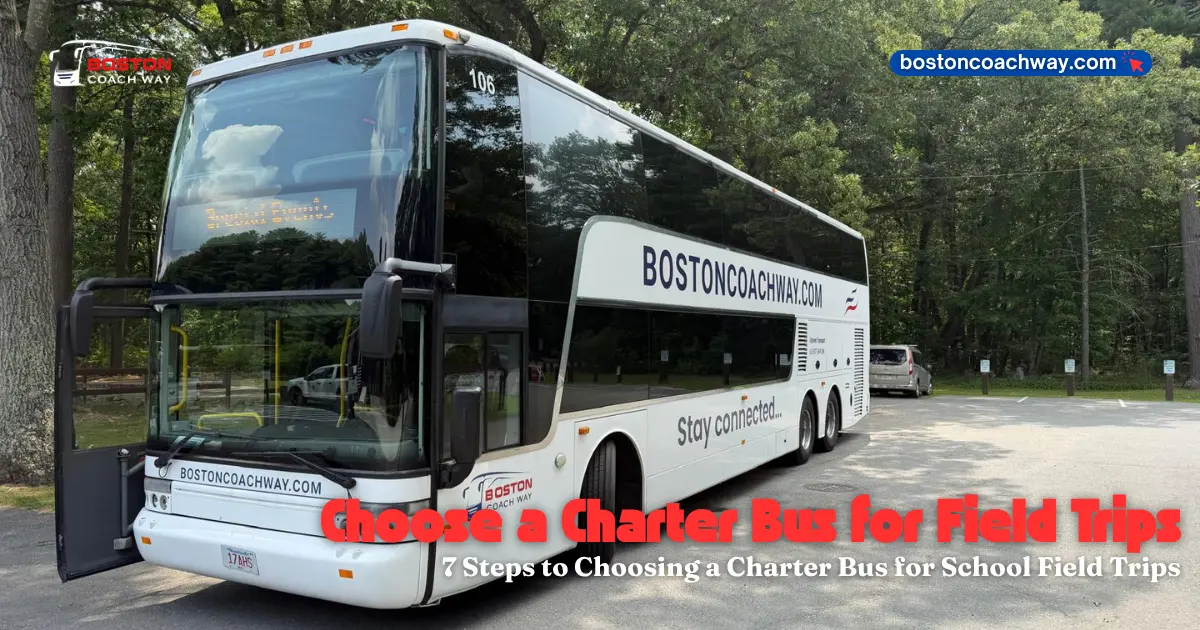
3. Charter Bus
Travel Time: About 1 to 1.5 hours in typical conditions.
Typical Cost: Around $1,000-2,000+ for a scheduled group rental, depending on vehicle size, trip duration, mileage, date, and itinerary.
Passenger Capacity: Up to 80 passengers.
Pros: Keeps the group together, provides direct pickup and drop-off, offers luggage space, and allows flexible scheduling.
Cons: Higher total rental cost, planning, and a larger vehicle may be unnecessary for small groups.
Best For: Corporate groups, school trips, sports teams, wedding parties, family groups, and organized tours.
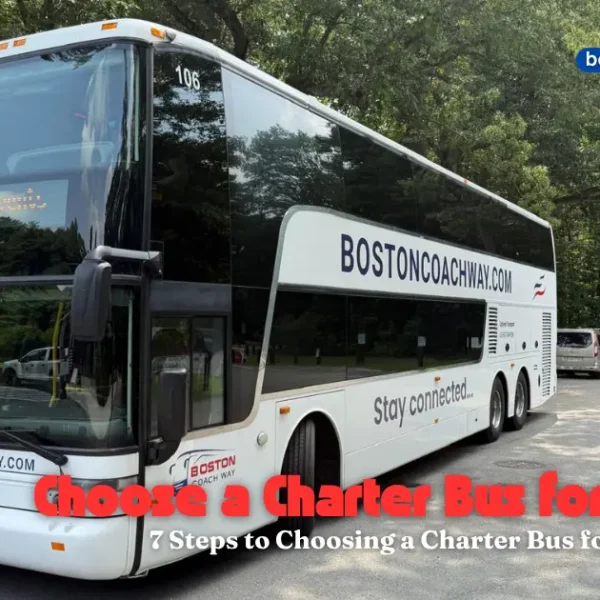
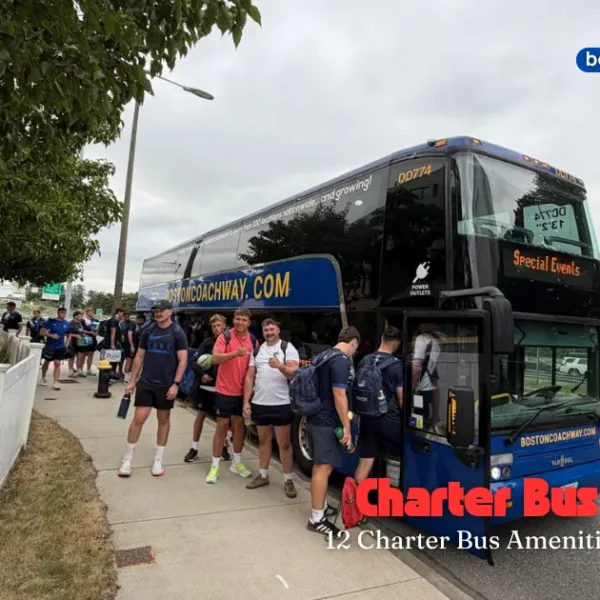
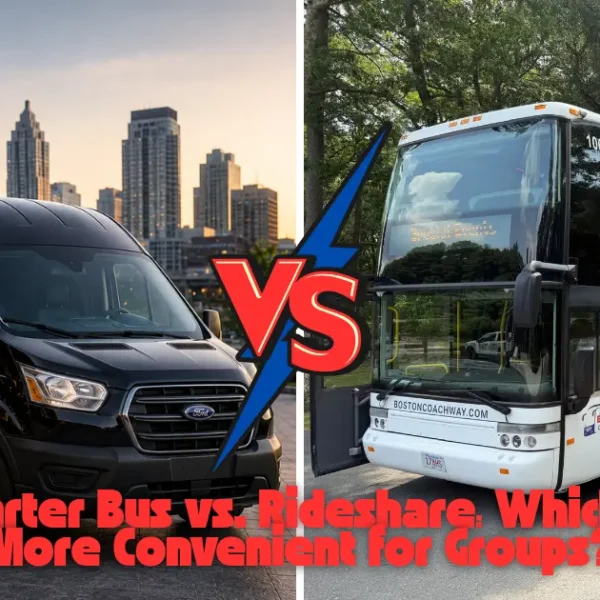
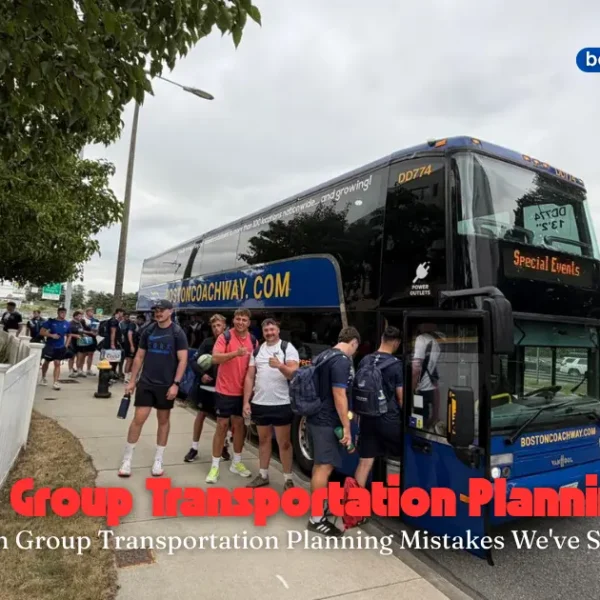
A charter bus can make the Boston-to-Providence journey easier for groups that would otherwise need several cars or individual public transportation tickets. Everyone can depart from the same pickup location and travel together to a hotel, venue, campus, restaurant, or other destination.
The main benefit is coordination. A single vehicle reduces the need to organize multiple drivers, parking spaces, rideshare bookings, and separate arrival times. It can also remain available when transportation is needed between several Providence-area locations.
The total rental price is higher than buying one train or bus ticket, but the comparison changes when the cost is divided among many passengers. Fuel, parking, tolls, and multiple vehicles can increase the overall cost of alternative transportation.
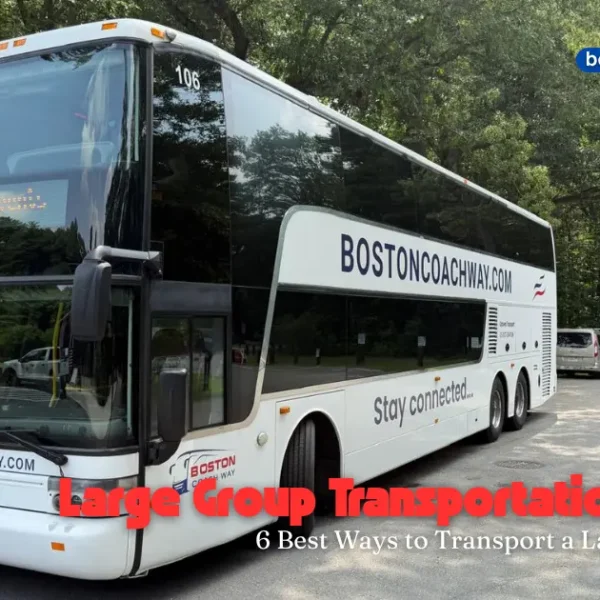
For a group of up to 80 passengers, a charter bus provides enough capacity to keep everyone together. Smaller groups should consider a vehicle that matches their actual passenger count to avoid paying for unnecessary capacity.
4. Driving
Travel Time: About 1 to 1.5 hours in typical conditions.
Typical Cost: Around $10-18 for fuel and basic driving costs, excluding parking and tolls.
Passenger Capacity: Up to 5 passengers in a standard passenger car.
Pros: Flexible departure time, direct travel, easy luggage handling, and freedom to make stops.
Cons: Traffic, parking costs, driving responsibility, fuel expenses, and potential delays.
Best For: Couples, families, and small groups who already have access to a vehicle.
Driving is generally one of the most straightforward ways to get from Boston to Providence because you can leave when convenient and travel directly to your destination. The primary route generally follows I-95, although the best route can vary according to your starting point and current road conditions.
The flexibility becomes especially useful when you plan to visit several places in Providence or need to carry luggage. You can stop along the way, adjust your departure time, and avoid coordinating your trip around a train or bus schedule.
The main tradeoff is that the driver remains responsible for navigating traffic and finding parking after reaching Providence. Boston-area congestion can also make the actual journey considerably longer than the typical travel time.
For a group of up to five people that already has access to a car, driving can provide a practical balance of convenience and cost. Before leaving, account for fuel, tolls, parking, traffic, and the possibility of delays during peak travel periods.
5. Rideshare or Taxi
Travel Time: About 1 to 1.5 hours in typical traffic.
Typical Cost: Around $80-300+, depending on demand, pickup location, vehicle type, and provider.
Passenger Capacity: Up to 4 passengers in a standard four-passenger rideshare or taxi vehicle.
Pros: Door-to-door service, convenient pickup, no parking responsibility, and useful for travelers with luggage.
Cons: Higher cost than public transportation, variable rideshare pricing, limited luggage space, and vehicle availability can vary.
Best For: Solo travelers, couples, and small groups who prioritize direct transportation.
A rideshare or taxi can be convenient when you want to travel directly from your Boston location to your Providence destination without driving yourself. This can be particularly useful when your starting point is away from a train or bus station or when your destination is outside central Providence.
The biggest advantage is convenience. Passengers can arrange pickup at a residence, hotel, office, or other location and avoid transfers during the journey. Luggage can also remain with the passengers instead of being moved between transportation services.
The main drawback is price. A longer intercity trip can cost considerably more than a train or bus ticket, and rideshare fares may increase when demand is high. A standard four-passenger vehicle also limits the practicality of this option for larger groups.
For one to four passengers, compare the quoted fare with other direct transportation options before booking. If the trip includes several passengers or substantial luggage, confirm the vehicle size and available storage space.
6. Private Car
Travel Time: About 1 to 1.5 hours in normal traffic.
Typical Cost: Around $150-320+ for a one-way trip, depending on vehicle type, passenger count, pickup location, timing, and service level.
Passenger Capacity: Up to 6 passengers in a six-passenger private vehicle.
Pros: Door-to-door service, flexible pickup and drop-off, privacy, luggage space, and professional driving.
Cons: Higher cost than public transportation and limited passenger capacity compared with group vehicles.
Best For: Business travelers, families, airport passengers, couples, and small groups seeking comfort and convenience.
A private car provides a more personalized way to travel from Boston to Providence without requiring passengers to drive or follow a public transportation schedule. The driver can pick passengers up at a hotel, residence, office, airport, or other agreed location and take them directly to their destination.
This option is particularly useful when the final destination is away from Providence Station or when travelers have luggage and a tight schedule. It also eliminates the need to find parking in Providence and reduces the number of transfers involved in the journey.
The main tradeoff is cost. A private car is more expensive than purchasing individual train or bus tickets, but the value increases when convenience, privacy, and direct service are priorities.
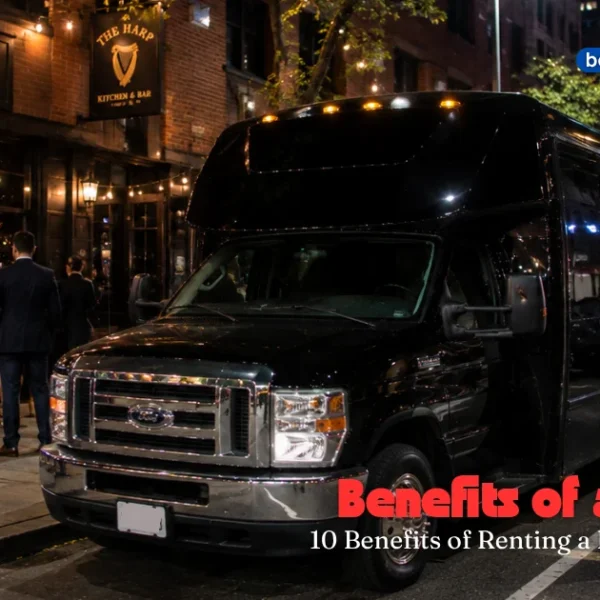
For up to six passengers, a six-passenger vehicle can work well for families, business travelers, and small groups. Larger parties should consider a vehicle designed for more passengers rather than splitting the group between several private cars.
7. Flight
Travel Time: The flight itself would be short, but total travel time is substantially longer after airport arrival, security, boarding, baggage handling, and ground transportation.
Typical Cost: Approximately $100-300+ per passenger when air travel is available, excluding additional airport transportation and fees.
Passenger Capacity: Approximately 76 passengers on a regional aircraft, depending on the aircraft and service.
Pros: Can connect with a larger air itinerary and may be useful when Providence is part of a broader flight-based trip.
Cons: Airport procedures add significant time, fares can be relatively high, and ground transportation is generally more practical for this route.
Best For: Travelers connecting through a broader air itinerary rather than making a dedicated Boston-to-Providence trip.
Flying is technically another transportation option to consider, but it is generally not the most practical choice for traveling directly from Boston to Providence. The relatively short distance between the cities makes ground transportation more efficient for most travelers.
The biggest issue is total journey time. A flight requires passengers to reach an airport, allow time for check-in and security, board the aircraft, and arrange transportation after landing. These additional steps can outweigh the time spent in the air.
Air travel can make sense when the Boston-to-Providence portion is connected to a larger itinerary or when a traveler already needs to use an airport. For a direct city-to-city journey, however, train, bus, driving, rideshare, private car, or group transportation generally provides a simpler solution.
Because regular direct air service on this short city pair is limited or impractical, travelers should compare the complete door-to-door journey rather than focusing only on flight duration or airfare.
What Is the Best Option for Traveling From Boston to Providence?
The best option depends on your budget, group size, luggage, and need for flexibility. For most solo travelers, the train offers a good balance of time and cost. Driving provides greater flexibility, while a private car is better for direct, comfortable travel. For larger groups, a charter bus can be more practical because everyone travels together.
Option | Avg. Time | Typical Cost | Best For | Luggage | Notes (Traffic/Transfers) |
Train | ~1 hour | $10-45 | Solo travelers, commuters | Moderate | Avoids highway traffic; transfer may be needed after Providence Station |
Bus | ~1–1.5 hours | $10-25 | Budget travelers | Moderate | Traffic can affect arrival; fixed stops and schedules |
Charter Bus | ~1–1.5 hours | $1,000-2,000+ | Groups and organized travel | Excellent | Traffic affects travel; direct pickup and drop-off reduce transfers |
Driving | ~1–1.5 hours | $10-18 fuel, plus tolls/parking | Families and flexible travelers | Excellent | I-95 traffic can extend the trip; no transfers |
Rideshare/Taxi | ~1–1.5 hours | $80-300+ | 1–4 passengers | Moderate | Door-to-door; traffic affects travel and rideshare pricing varies |
Private Car | ~1–1.5 hours | $150-320+ | Business travelers, families, small groups | Excellent | Direct service with no transfers; traffic remains a factor |
Flight | Longer door-to-door | $100-300+ | Connecting itineraries | Airline-dependent | Airport procedures and transfers make flying impractical for most direct trips |
For a simple downtown-to-downtown journey, the train is often the most efficient balance of affordability and travel time.
What Is the Best Way to Travel From Boston to Providence as a Solo Traveler?
For most solo travelers, the train is the best overall option from Boston to Providence because it combines reasonable cost, predictable travel time, and freedom from driving or parking. A typical rail journey takes about 1 hour and may cost around $10-45 per passenger, depending on the service and travel date. It is particularly convenient for travelers heading toward central Providence.
However, a private car can be a better choice if you have significant luggage, need door-to-door service, or are traveling on a tight schedule. The final destination matters too, since reaching Providence Station may require another local transfer.
What Is the Best Option From Boston to Providence, RI Without a Car?
The train is generally the best option for travelers without a car, particularly when traveling between central Boston and Providence. It offers a relatively short journey, reasonable fares, and avoids the cost and responsibility of driving.
What Is the Best Way for Groups to Travel From Boston to Providence, RI?
For larger groups, a charter bus is often the most convenient option because everyone can travel together in one vehicle with planned pickup and drop-off. A charter bus can accommodate a large group while providing space for luggage and avoiding the need to coordinate multiple cars.
The total rental price is higher than an individual train or bus ticket, but the cost can become more reasonable when divided among passengers. A charter bus is particularly useful for corporate groups, school trips, sports teams, weddings, and tours where passengers need transportation between several Providence-area locations.

Is a Charter Bus a Good Option for Group Travel to Providence?
Yes, a charter bus can be a practical choice when a group values coordination, direct transportation, and flexible scheduling. Instead of arranging separate cars, rideshares, or public transportation tickets, passengers can leave from one Boston pickup location and arrive together at their Providence destination.
A charter bus can also remain available for additional stops during the trip, which is useful for events, tours, and group itineraries. The main consideration is cost. A larger vehicle has a higher total rental price, so groups should compare the cost per passenger with multiple cars or individual public transportation fares. Vehicle capacity should also match the actual group size.
What Is the Fastest Way From Boston, MA, to Providence, RI?
The fastest option depends on your exact starting point, destination, traffic conditions, and departure time, but train travel can be highly competitive for central Boston-to-Providence trips. A typical train journey takes about 1 hour and avoids highway congestion. Driving or private transportation can be faster when your destination is outside central Providence because you travel directly rather than transferring after arrival.
However, I-95 traffic can significantly extend driving times during busy periods. For time-sensitive travel, compare the complete door-to-door journey, including getting to a station, waiting for departure, transfers, parking, and reaching your final destination.
What Is the Cheapest Way to Get From Boston to Providence?
The bus is generally the cheapest way to travel from Boston to Providence, with typical fares starting around $10 per passenger. Bus fares can commonly fall around $10-25 depending on the operator and travel date. Driving may appear inexpensive for several passengers, but fuel, tolls, and Providence parking increase the actual cost. For groups, the cheapest choice requires a different calculation because multiple public transportation tickets or cars can add up quickly. Comparing the total cost per passenger helps identify the most economical option for your specific group size.