Planning transportation between Boston and Lincoln Financial Field will become an important consideration for fans attending matches during the 2026 FIFA World Cup. With Philadelphia serving as one of the host cities, many supporters staying in Boston may decide to travel south to experience the tournament atmosphere and watch games at the stadium.
While the distance between Boston and Philadelphia is manageable, major international events can change normal travel conditions. Higher visitor numbers, increased traffic near sports venues, and limited parking around the stadium can all affect travel time and logistics on match days.
This guide explains the main ways to travel from Boston to Lincoln Financial Field for World Cup matches. It compares options such as flights, trains, driving, and charter buses, while outlining estimated travel times, typical costs, and which transportation methods tend to work best for individuals, small groups, or larger fan groups heading to the stadium.
Table of Contents
How Far Is Boston from Lincoln Financial Field?
The distance between Boston and Lincoln Financial Field is roughly 300 miles (480 km) depending on the route. Driving normally takes 5 to 6 hours using the Interstate-95 corridor, which connects the major cities of the northeastern United States. During the 2026 FIFA World Cup, however, travel time may increase because thousands of international visitors will be traveling between host cities.
The stadium itself sits within the South Philadelphia Sports Complex, about 5 miles south of downtown Philadelphia. Once travelers reach the city, they still need additional time for stadium traffic, parking access, or public transit connections. Because of these factors, planning the route in advance becomes especially important for match-day arrivals.
What Are the Best Ways to Get from Boston to Lincoln Financial Field?
Fans traveling between the two cities generally choose one of four transportation options: flights, train travel, driving or private car service, and charter buses. Each method offers different advantages depending on the number of passengers, travel schedule, and budget.
Below is a practical breakdown of how each option works for World Cup travel.
1. Flights
Flying is the fastest way to travel between Boston and Philadelphia, especially for travelers who prioritize speed over convenience. Most flights depart from Logan International Airport and arrive at Philadelphia International Airport, which is about 7 miles from Lincoln Financial Field. The actual flight takes around 1 hour 30 minutes, but when airport security, boarding, and transfers are included, total travel time typically reaches 4–5 hours door-to-door.
Flights usually accommodate 1–6 passengers per booking, making them suitable for individuals, couples, or small groups traveling together. Round-trip airfare during large events can range from $150 to $400 per person, depending on booking time and demand. Additional ground transportation from the airport to the stadium may cost $30–$80.
The main advantage of flying is speed and predictable travel schedules. However, the experience involves airport procedures, baggage limitations, and another transfer after landing. For match days during the 2026 FIFA World Cup, airport congestion may also extend wait times.
Flights are best for solo travelers, business visitors, or fans with limited time who want to reach Philadelphia quickly. The match-day risk level is moderate, mainly because airport delays or ground transportation availability could affect arrival timing near the stadium.
2. Train
Train travel is one of the most practical and comfortable ways to travel between Boston and Philadelphia along the Northeast Corridor. High-speed services operated by Amtrak connect South Station directly with 30th Street Station. From there, local transit or rideshare services can reach Lincoln Financial Field in about 20–25 minutes.
Typical train journeys take 5 to 6 hours, depending on whether travelers select the high-speed Acela service or a regional train. Including the short transfer to the stadium, total travel time generally falls between 5.5 and 6.5 hours.
Trains can accommodate hundreds of passengers, but tickets are sold individually. This option works best for solo travelers, couples, or small groups up to 4–6 people who want a relaxed journey without driving. Ticket prices vary based on seat class and booking timing, with most fares ranging from $90 to $250 per person.
The main advantages of train travel include comfortable seating, onboard restrooms, Wi-Fi availability, and city-center departures without airport security procedures. The main drawback is availability, as popular departures may sell out quickly during the World Cup.
For fans attending matches at Lincoln Financial Field, train travel offers reliable scheduling and moderate match-day risk, although tickets should be reserved well in advance.
3. Driving / Private Car
Driving from Boston to Lincoln Financial Field provides the greatest flexibility for travelers who want control over their departure time and route. The most common route follows Interstate-95 through Connecticut and New York before reaching Philadelphia. Under normal traffic conditions, the journey covers about 300 miles and typically takes 5 to 6 hours.
Private car travel is usually best for 1–4 passengers, including families or small groups traveling together. If driving your own vehicle, estimated expenses include fuel and tolls totaling $80–$120. Hiring a professional chauffeur or private car service increases the cost significantly, with typical prices ranging from $500 to $900 or more depending on vehicle type and service duration.
The biggest advantages of driving are flexibility and door-to-door convenience. Travelers can stop along the route, manage their own schedule, and travel directly to the stadium area without transfers.
However, match-day conditions near Lincoln Financial Field can create significant congestion. Parking availability, security checkpoints, and stadium traffic may add 30–60 minutes to arrival time.
Driving or using a private car service works best for small groups seeking flexibility, but the match-day risk level is relatively high due to potential traffic congestion near the stadium.
4. Charter Bus
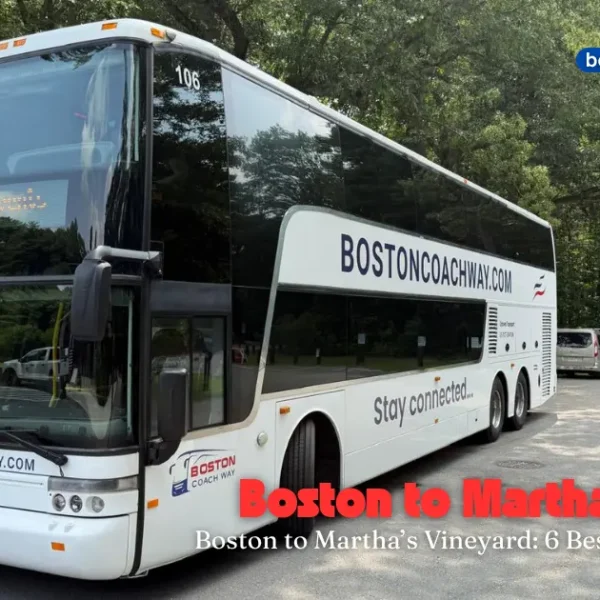
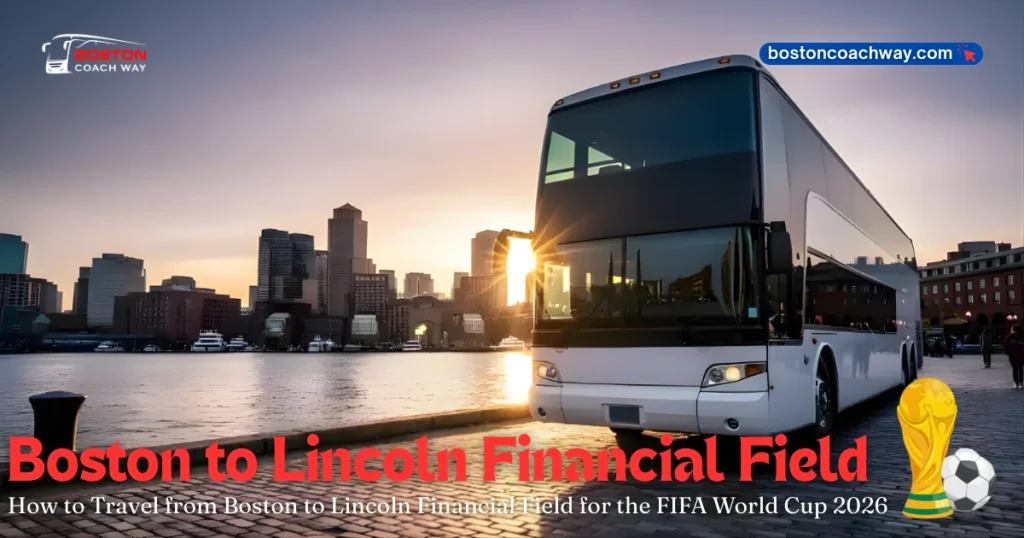
Charter buses are one of the most organized transportation options for large groups traveling from Boston to Lincoln Financial Field during the 2026 FIFA World Cup. A private bus allows groups to depart together, travel comfortably, and arrive at the stadium with coordinated logistics.
Travel time is similar to driving, typically 5–6 hours depending on traffic along the I-95 corridor. Including stadium access and parking coordination, total travel time may reach 6–7 hours.
Charter buses can accommodate 20 to 81 passengers, making them ideal for fan clubs, tour groups, corporate hospitality teams, and large groups of friends attending matches together. Rental pricing varies depending on vehicle size and rental duration, but most full-day charters range between $1,800 and $4,000. When divided among passengers, the per-person cost often becomes comparable to train tickets.
The main advantages include group convenience, onboard amenities such as reclining seats and restrooms on larger buses, and large luggage compartments. Groups also avoid the complexity of coordinating multiple vehicles or train reservations.
The primary limitation is the need for advanced booking, as large events can reduce vehicle availability.
For World Cup travel, charter buses are best suited for groups of 20+ passengers, and the match-day risk level is generally low to moderate, since professional drivers typically plan routes and stadium arrival timing in advance.
Which Is the Best Option for Traveling from Boston to Lincoln Financial Field?
The best option for traveling from Boston to Lincoln Financial Field depends largely on the traveler’s priorities, including group size, budget, and schedule. For individual travelers or small groups focused on speed, flights usually offer the quickest journey between the cities. Train travel provides a balanced alternative, combining comfort with reliable city-to-city connections.
However, for larger groups attending matches together during the 2026 FIFA World Cup, charter buses often become the most practical and organized solution.
What Is the Fastest Way to Travel from Boston to Philadelphia?
The fastest way to travel from Boston to Philadelphia is by flying. Flights between Logan International Airport and Philadelphia International Airport usually take about 1 hour and 30 minutes, making air travel the quickest option for covering the distance between the two cities.
Even after factoring in airport security checks, boarding procedures, and the short transfer from the airport to Lincoln Financial Field, the total journey is often faster than driving or train travel. However, travelers should still allow extra time for airport congestion and higher passenger volumes during the 2026 FIFA World Cup.
What Is the Cheapest Way to Travel from Boston to Philadelphia?
The cheapest way to travel from Boston to Philadelphia is usually by train. Advance train tickets on the Northeast Corridor can start around $90, while long-distance bus fares occasionally drop to $50–$60 when booked early. However, these options often require an additional transfer to reach Lincoln Financial Field, which adds time and extra transportation costs within the city.
For larger groups attending matches during the 2026 FIFA World Cup, a charter bus can become cost-effective. When the total rental price is divided among many passengers, the per-person cost can rival or even match standard train fares.
What Are the Best Tips for World Cup Travel to Lincoln Financial Field?
Traveling to Lincoln Financial Field during the 2026 FIFA World Cup requires a bit more planning than a regular game day. With thousands of international fans arriving in Philadelphia, transportation, traffic, and stadium entry procedures can take longer than usual. Preparing ahead of time can make the entire match-day experience smoother and more enjoyable.
- Book transportation early. Flights, trains, and charter vehicles often sell out quickly during global sporting events. Reserving transportation several weeks or months in advance helps secure better prices and reliable travel schedules.
- Allow extra time for travel and security. Roads around the stadium can become congested before kickoff, and security screening at major tournaments may take longer than normal. Arriving early reduces the risk of missing the start of the match.
- Plan the last part of your trip carefully. Whether arriving by train, car, or flight, visitors still need transportation from the city center or airport to the stadium. Confirm your final transfer in advance to avoid delays.
- Travel with your group when possible. For groups attending matches together, coordinated transportation—such as a charter bus—can simplify logistics and ensure everyone arrives at the stadium at the same time.
Can We Travel from Boston to Lincoln Financial Field in One Day?
Yes, it is possible to travel from Boston to Lincoln Financial Field in one day, although it requires careful planning. The distance between the cities is about 300 miles, and most transportation options take roughly 5 to 6 hours each way, depending on traffic and the chosen travel method.
For example, an early morning departure by flight, train, car, or charter bus can allow fans to arrive in Philadelphia before kickoff. However, returning the same night may involve late travel after the match. Because of post-game congestion and long travel time, many visitors prefer staying overnight.
When Should You Book Transportation for World Cup Matches?
You should book transportation for World Cup matches as early as possible, ideally several months before the 2026 FIFA World Cup begins. Major tournaments attract international fans, media crews, and corporate visitors, which significantly increases demand for flights, trains, and group transportation between cities like Boston and Philadelphia.
Booking early helps secure better prices and ensures availability, especially for large groups traveling to matches at Lincoln Financial Field. Waiting until the last few weeks before a match can limit transportation choices and increase costs, particularly during popular match days or weekend fixtures.

Is a Charter Bus Worth It for the 2026 World Cup Group Travel?
Yes, a charter bus is often worth it for group travel to matches during the 2026 FIFA World Cup, especially when multiple fans are traveling together from Boston to Lincoln Financial Field. A charter bus allows the entire group to depart from one location and arrive at the stadium together without coordinating separate flights, trains, or vehicles.
For larger groups, the total rental cost can also be divided among passengers, making the per-person price competitive with other transportation options. In addition, charter buses provide comfortable seating, luggage storage, and a planned travel schedule, which helps reduce match-day stress and keeps the group organized throughout the trip.
Can You Rent a Charter Bus for Multiple Match Days?
Yes, you can rent a charter bus for multiple match days during the 2026 FIFA World Cup, and many transportation providers offer multi-day rentals for groups attending several games. This option allows fans traveling from Boston to keep the same vehicle and driver throughout their trip.
Multi-day charter rentals are especially useful for groups planning to attend more than one match at Lincoln Financial Field or visiting other host cities. Keeping one vehicle simplifies scheduling, reduces transportation coordination, and ensures the group travels together between hotels, stadiums, and other event locations.