








Getting from Boston to Cape Cod is a common trip for day trips, weekend getaways, beach vacations, family outings, and group events. The journey is relatively straightforward, but the best way to travel depends on where you are going, how much time you have, your budget, and whether you are traveling alone or with a group. Cape Cod covers several distinct towns and communities, so the distance and travel time from Boston can vary significantly by destination.
Travelers can choose from several practical options, including driving, bus, train, ferry, rideshare, private car service, shuttle, charter bus, and limited flight connections. Each option offers a different balance of travel time, cost, flexibility, comfort, and convenience. This guide explains how far Cape Cod is from Boston, how long the journey can take, and what to consider when choosing the best transportation option for your trip.
Table of Contents
How Far Is Cape Cod From Boston?
Cape Cod is roughly 70 miles from Boston to Hyannis by road, but the actual distance depends on where you are going on the Cape. Hyannis, Falmouth, Chatham, Wellfleet, and Provincetown all require different routes and travel times.
For example, Boston to Hyannis is about 71 miles by road under typical route calculations.
The geographic distance is shorter than the driving distance, but road travel is what matters when planning a car, bus, shuttle, or private transfer. The route generally takes travelers south from Boston toward the Cape Cod Canal before continuing to their specific destination.
Traffic is one of the most important variables. A trip that looks short on a map can take much longer during summer Fridays, holiday weekends, and peak Sunday return periods. Travelers heading to a fixed-time ferry, event, dinner reservation, or flight should allow extra time rather than relying on the shortest estimated driving time.
How Long Does It Take to Get From Boston to Cape Cod?
Travel time from Boston to Cape Cod can vary from roughly 1.5 hours to several hours depending on your destination, transportation method, departure time, and traffic conditions. A trip to an Upper Cape destination may be considerably shorter than a journey to the Outer Cape.
Driving can take around 1.5 hours to reach the Hyannis area under favorable traffic conditions, while bus and train journeys may take longer because of scheduled stops and departure times. A ferry can provide a faster alternative when Provincetown is the destination, while private transportation offers direct travel without requiring passengers to make connections.
What Are the Best Ways to Get From Boston to Cape Cod?
The best ways to travel from Boston to Cape Cod are driving, bus, train, ferry, rideshare or taxi, private car service, shuttle, private charter bus, and flight. Each option serves a different combination of cost, convenience, passenger capacity, and destination.
1. Drive
Travel Time: About 1.5–2 hours to Hyannis in normal traffic; longer during peak periods
Typical Cost: Approximately $15–$40 for fuel and tolls, excluding parking or rental-car costs
Passenger Capacity: 5 passengers in a standard passenger car
Pros: Flexible departure time, direct travel, easy luggage storage, convenient for multiple Cape Cod destinations
Cons: Summer traffic, parking costs, driver responsibility, possible delays near the Cape Cod bridges
Best For: Families, couples, road trips, and travelers visiting multiple Cape Cod towns
Driving is generally the most flexible way to get from Boston to Cape Cod. You can leave when you want, choose your route, stop along the way, and continue directly to your final destination without transferring between transportation services.
A car is particularly useful for travelers planning to visit several Cape Cod towns or attractions during the same trip. It also makes it easier to reach vacation rentals, beaches, restaurants, and other locations that may not be close to public transportation.
The main disadvantage is traffic. Summer Fridays, holiday weekends, and Sunday afternoons can create significant congestion around the approaches to Cape Cod. Parking can also be difficult in busy downtown areas and at popular beaches.
2. Bus
Travel Time: About 1.5–2 hours to Hyannis, depending on traffic and stops
Typical Cost: Approximately $20–$35 per passenger, depending on the service and travel date
Passenger Capacity: Approximately 55 passengers on a typical intercity coach
Pros: Affordable, no driving required, luggage storage, comfortable seating
Cons: Fixed departure times, traffic delays, limited flexibility after arrival
Best For: Solo travelers, couples, students, and budget-conscious visitors
Taking a bus is one of the more affordable ways to travel from Boston to Cape Cod without driving. Scheduled intercity buses can take passengers toward major Cape Cod transportation centers, particularly Hyannis.
The biggest advantage is the relatively low individual cost. Passengers do not have to pay separately for fuel, parking, or rental-car expenses, and they can relax during the journey rather than navigating traffic.
The trade-off is flexibility. Buses operate according to scheduled departures, and traffic can still affect the arrival time. Travelers staying outside the main transportation corridors may also need local transportation after getting off the bus.
For travelers who are staying near Hyannis or another well-connected destination, the bus can provide a practical combination of affordability and convenience.
3. Train
Travel Time: About 2.5 hours from Boston South Station to Hyannis
Typical Cost: $22 one way or $40 round trip between South Station and Hyannis
Passenger Capacity: Varies by train configuration
Pros: Avoids highway traffic, comfortable seating, no driving required, useful for seasonal weekend trips
Cons: Limited seasonal schedule, service is centered on Hyannis, additional transportation may be needed
Best For: Summer weekend travelers, couples, families, and visitors heading to Hyannis
Train travel provides another way to avoid driving from Boston to Cape Cod. Seasonal passenger rail service connects Boston with Hyannis, making it particularly useful for summer weekend travel.
The primary advantage is that passengers can avoid highway congestion and spend the journey sitting comfortably rather than driving. It can also be convenient for visitors who do not need a vehicle throughout their Cape Cod trip.
The main limitation is destination coverage. The train takes passengers to Hyannis rather than directly to every Cape Cod town. Travelers continuing to Falmouth, Chatham, Orleans, Wellfleet, or another destination may need a local bus, taxi, rideshare, or private transfer.
Train schedules are also more limited than road transportation, so this option works best when the departure and return times fit your itinerary.
4. Ferry
Travel Time: About 90 minutes from Boston to Provincetown
Typical Cost: Approximately $70–$100+ round trip per passenger
Passenger Capacity: Varies by ferry vessel and operator
Pros: Direct Boston-to-Provincetown route, avoids highway traffic, scenic journey, convenient for day trips
Cons: Primarily serves Provincetown, fixed departure schedule, weather can affect service
Best For: Provincetown visitors, summer day-trippers, and travelers who want to avoid driving
A ferry provides a direct water route from Boston to Provincetown. Instead of traveling around Cape Cod by road, passengers cross Cape Cod Bay and arrive directly in Provincetown.
This can be one of the most convenient options for a Provincetown day trip. Travelers can avoid driving, bridge traffic, and parking while enjoying the journey across the water.
The main limitation is destination coverage. A ferry to Provincetown is not a practical transportation solution for travelers staying in Hyannis, Falmouth, Chatham, or other Cape Cod communities.
Ferry schedules are fixed, and travelers should also consider boarding time and possible weather-related service changes when planning the trip.
5. Rideshare or Taxi
Travel Time: About 1.5–2+ hours to Hyannis, depending on traffic
Typical Cost: Approximately $150–$300+ one way, but pricing varies by provider, demand, vehicle type, and destination
Passenger Capacity: 4 passengers in a standard sedan
Pros: Door-to-door transportation, flexible pickup, no driving required, convenient for small groups
Cons: High long-distance cost, variable pricing, limited luggage space, availability may vary
Best For: Solo travelers, couples, and small groups prioritizing convenience
Rideshare services and taxis provide direct transportation without requiring travelers to drive themselves. A passenger can arrange pickup from a Boston hotel, residence, airport, or other location and travel directly to a Cape Cod destination.
This option is particularly convenient for travelers carrying luggage or those who do not want to deal with parking after reaching Cape Cod.
However, the cost can become substantial for a long-distance trip. Pricing may change based on demand, vehicle type, route, and travel time. Larger groups may also need multiple vehicles, increasing the total cost.
For a small party that values convenience more than minimizing transportation costs, rideshare or taxi service can be a practical choice.
6. Private Car Service
Travel Time: About 1.5–2+ hours to Hyannis, depending on traffic
Typical Cost: Approximately $200–$750+ one way, depending on destination, vehicle type, pickup location, and service requirements
Passenger Capacity: 4 passengers in a standard sedan; larger SUVs and vans accommodate more
Pros: Prearranged pickup, professional driver, direct transportation, privacy, luggage assistance
Cons: Higher cost than public transportation, capacity varies by vehicle
Best For: Families, couples, business travelers, airport transfers, and travelers with fixed schedules
A private car service provides dedicated transportation between Boston and a specific Cape Cod destination. Unlike shared transportation, the vehicle is reserved for your party, allowing you to travel directly without making public transportation connections.
The service can be especially convenient for airport transfers and travelers with a fixed schedule. Pickup can be arranged from a hotel, residence, office, airport, or another specified location.
A standard sedan typically accommodates up to four passengers, although larger SUVs and passenger vehicles can be used when more people or luggage are involved.
The main consideration is cost. Private transportation generally costs more than a bus or train, but the price includes the convenience of a dedicated vehicle, professional driver, and direct service.
7. Shuttle
Travel Time: About 1.5–2.5 hours to Hyannis, depending on traffic, pickup locations, stops, and final destination
Typical Cost: Approximately $40–$100+ per passenger for shared service; private service varies by vehicle and itinerary
Passenger Capacity: Up to 14 passengers in a typical passenger shuttle van
Pros: Convenient for groups, luggage space, direct or limited-stop service, no driving required
Cons: Availability varies, shared service may involve additional stops, pickup times may be fixed
Best For: Families, airport transfers, small groups, and travelers seeking more convenience than public transportation
A shuttle can provide a useful middle ground between public transportation and fully private transportation. Depending on the service, passengers may share the vehicle with other travelers or reserve the entire vehicle for their group.
For travelers arriving in Boston and continuing directly to Cape Cod, a shuttle can eliminate the need to rent a car or make several public transportation connections.
The exact service can vary considerably, so travelers should check the pickup location, destination, passenger capacity, luggage allowance, number of stops, and whether the vehicle is shared or private before booking.
For groups that exceed a typical shuttle’s capacity or require a customized itinerary, a private charter bus may be a better option.
8. Private Charter Bus
Travel Time: About 1.5–2.5 hours to Hyannis, depending on traffic, stops, and itinerary
Typical Cost: Often $1,500–$3,000+ for a day trip, depending on vehicle size, mileage, hours, date, and itinerary
Passenger Capacity: Up to 56 passengers in a standard full-size motorcoach
Pros: Keeps the entire group together, professional driver, large luggage capacity, customizable itinerary, convenient for multiple stops
Cons: Higher total trip cost, advance planning required, large vehicle needs suitable pickup and parking areas
Best For: Weddings, corporate groups, school trips, sports teams, family reunions, tours, and large group trips
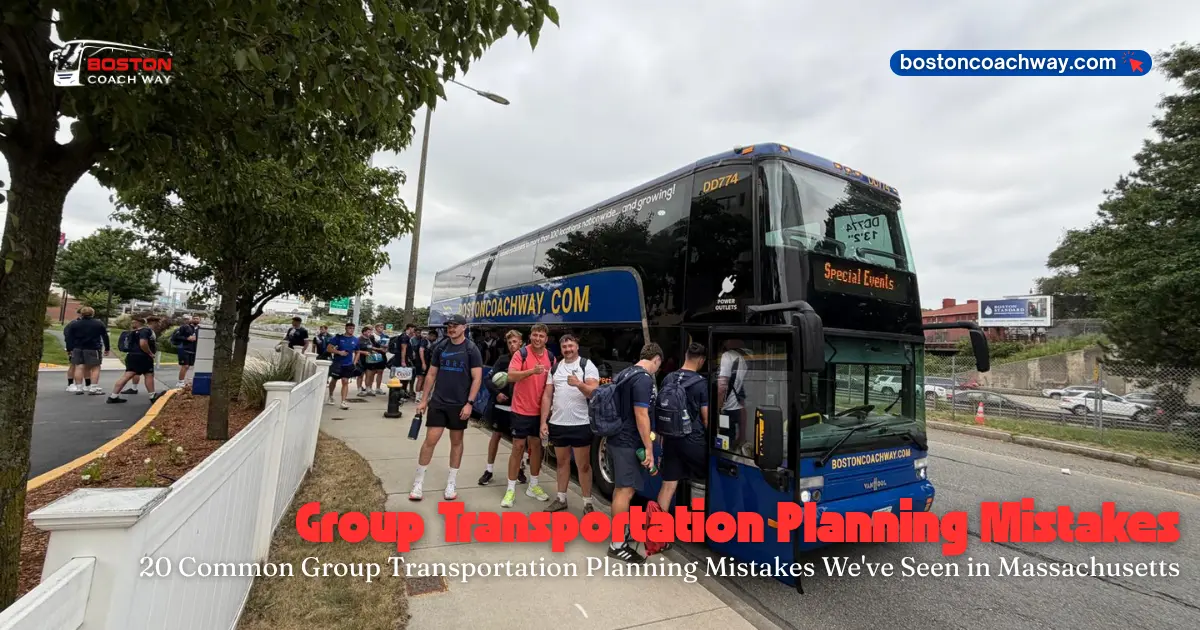
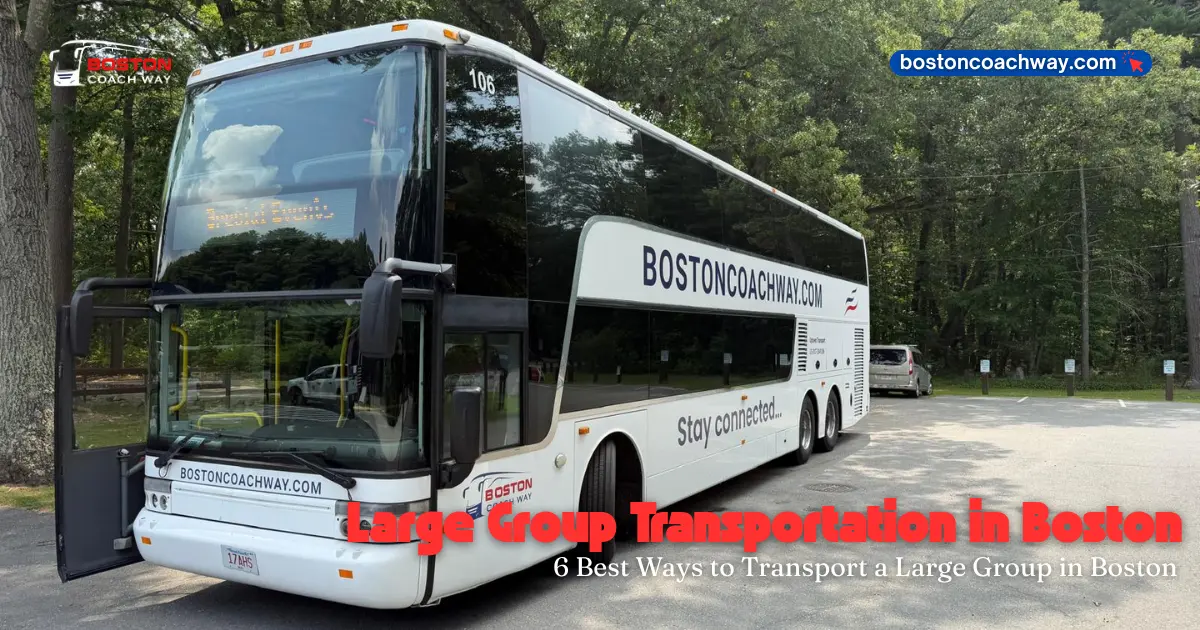
A private charter bus is one of the most practical ways for a large group to travel from Boston to Cape Cod together. Instead of coordinating multiple cars or rideshares, passengers can travel in one dedicated vehicle with a professional driver.
A standard motorcoach can accommodate 56 passengers, while smaller groups can choose a minibus or other appropriately sized vehicle. Vehicle selection should be based on both passenger count and luggage requirements.
Charter transportation is particularly useful when Cape Cod is part of a larger itinerary. A group can travel from Boston to a Cape Cod venue, make several stops throughout the day, and return to Boston without requiring individual drivers.
The total price is normally based on the complete itinerary rather than a fixed ticket price. Passenger count, vehicle size, mileage, hours, travel date, pickup locations, stops, and trip duration can all affect the quote.
For large groups, compare the total charter cost with the combined expense of rental cars, fuel, tolls, parking, and multiple rideshare vehicles. The ability to keep everyone together can also make group transportation much easier to coordinate.
9. Flight
Travel Time: About 30–45 minutes of flight time, excluding airport procedures and ground transportation
Typical Cost: Approximately $119+ one way, with fares varying by destination and travel date
Passenger Capacity: 9–11 passengers, depending on aircraft
Pros: Avoids highway traffic, short flight time, useful for select Cape Cod destinations
Cons: Higher cost than many ground options, airport procedures add time, limited destinations, weather and schedule considerations
Best For: Travelers prioritizing speed and those heading to destinations near a regional airport
Flying from Boston to Cape Cod is possible, but it is a specialized option rather than the most practical choice for most travelers.
Small regional aircraft can connect Boston with select Cape Cod airports, including destinations such as Hyannis and Provincetown. The actual flight can be considerably shorter than the equivalent road journey.
However, flight time is only part of the trip. Travelers also need to account for transportation to the airport, check-in, security procedures, boarding, baggage, and transportation from the Cape Cod airport to the final destination.
For that reason, flying is most useful when the flight schedule aligns well with the itinerary, and the final destination is close to the arrival airport. For most travelers, driving, bus, train, ferry, or private ground transportation will be easier to arrange.
What Is the Best Way to Get From Boston to Cape Cod?
The best way to get from Boston to Cape Cod depends on your destination, travel budget, group size, schedule, and how much flexibility you need. Driving is usually the most flexible option, while buses and trains can be more affordable for travelers heading toward major transportation centers. A ferry is particularly convenient for Provincetown, while private cars and shuttles provide more direct service. For larger groups, a private charter bus can be the most practical option because everyone can travel together.
Transportation | Typical Travel Time | Capacity | Relative Cost | Best For |
Drive | 1.5–2+ hrs to Hyannis | 5 | Low–Moderate | Flexibility |
Bus | 1.5–2 hrs | ~55 | Low | Budget travel |
Train | ~2.5 hrs to Hyannis | Varies | Low | Seasonal weekend trips |
Ferry | ~90 min to Provincetown | Varies | Moderate | Provincetown |
Rideshare/Taxi | 1.5–2+ hrs | 4 | High | Small groups |
Private Car | 1.5–2+ hrs | 4+ | High | Door-to-door travel |
Shuttle | 1.5–2.5+ hrs | Up to 14 | Moderate–High | Small groups |
Charter Bus | 1.5–2.5+ hrs | Up to 56 | Moderate–High per person | Large groups |
Flight | ~30–45 min flight time | 9–11 | High | Speed / select destinations |
The table should be treated as a planning guide rather than a fixed price or travel-time chart. Fares, schedules, and traffic can change by date and destination.
What Is the Fastest Option From Boston to Cape Cod, MA?
The fastest option depends on the specific Cape Cod destination. A flight can have the shortest time in the air, while a ferry can be one of the quickest choices for Provincetown. For destinations on the Upper and Mid Cape, driving or private ground transportation can be faster overall because there is no airport transfer or boarding process.
When comparing transportation methods, consider the total door-to-door journey, not just the advertised travel time. Airport transportation, check-in, boarding, baggage, ferry boarding, transfers, and waiting time can change which option is actually fastest.
Traffic is also an important factor. During busy summer weekends, a transportation method that avoids the highway can have a significant advantage over driving.
What Is the Cheapest Way to Get From Boston to Cape Cod?
Bus transportation is one of the cheapest practical ways to get from Boston to Cape Cod. Train service can also be economical when seasonal schedules and fares fit the trip.
Driving may become more affordable on a per-person basis when several people share one vehicle. However, the total cost should include fuel, tolls, parking, and rental-car expenses if applicable.
For groups, compare the per-person cost rather than only the total transportation price. A private vehicle may appear more expensive initially but can become competitive when the cost is divided among several passengers.
What Is the Best Way to Get From Boston to Cape Cod Alone?
Bus or train transportation is generally the most practical choice when the schedule and destination work. Paying for one seat is usually more economical than covering the full cost of a private vehicle.
A bus can be particularly useful for travelers heading toward Hyannis or another major transportation center. Seasonal train service provides another option for travelers whose dates align with its operating schedule.
A private car or rideshare may still be preferable when convenience is more important than price, particularly when traveling with significant luggage or needing direct transportation to a specific address.
What Is the Best Transportation for Groups Traveling From Boston to Cape Cod?
A private charter bus is often the most convenient transportation option for groups. Everyone can leave from the same pickup location, travel together, and arrive at the same destination without coordinating multiple cars or rideshares.
A charter bus is particularly useful for weddings, corporate outings, school trips, sports teams, family gatherings, tours, and other organized group trips. The vehicle can also remain with the group when the itinerary includes several Cape Cod destinations.
For smaller groups, a private car, SUV, or shuttle may be more appropriate. The best choice depends on the number of passengers, luggage, number of stops, trip duration, and whether the group needs transportation throughout the stay.
The key advantage of group transportation is coordination. Instead of managing several drivers, vehicles, parking spaces, and departure times, the group can travel together according to one planned itinerary.